The 2026 ASEAN Forecast: Why We’re Trading Capital Cities for Local Markets
By Marie. December 26, 2025
If the last few years were defined by "revenge travel"—that frantic, post-pandemic race to tick every box and see every sight—2026 is shaping up to be the year we finally slow down to catch our breath. The energy in Southeast Asia is shifting. The frantic need to be "everywhere" is being replaced by a deeper desire to truly be somewhere.
We are entering the era of the "Deep Dive" traveler. It’s a shift away from the chaotic, Instagram-famous capitals toward the "B-side" destinations—those quieter, secondary cities where the culture feels less performed and more lived-in. It’s a move from buying mass-produced keychains to "grocery tourism," where the ultimate souvenir is a bottle of artisanal fish sauce or a packet of heritage coffee beans found in a local aisle.
But this isn’t just a hipster trend; it is becoming regional policy. With the Philippines set to chair ASEAN and Malaysia launching its "Visit Malaysia Year 2026," the government blueprints are finally aligning with traveler sentiment: the future is local, sustainable, and decidedly slower.
Here is why 2026 will be the year we stop just visiting Southeast Asia, and start savoring it.
The "Where" – The Rise of the Secondary City
Nowhere is this shift more obvious than in Iloilo City. Long considered the "City of Love," it has quietly transformed into the Philippines’ most sophisticated alternative to Manila.
If you want to understand where travel is headed in 2026, look away from the capital cities. While Manila, Bangkok, and Kuala Lumpur remain the gateways, they are no longer the destination.
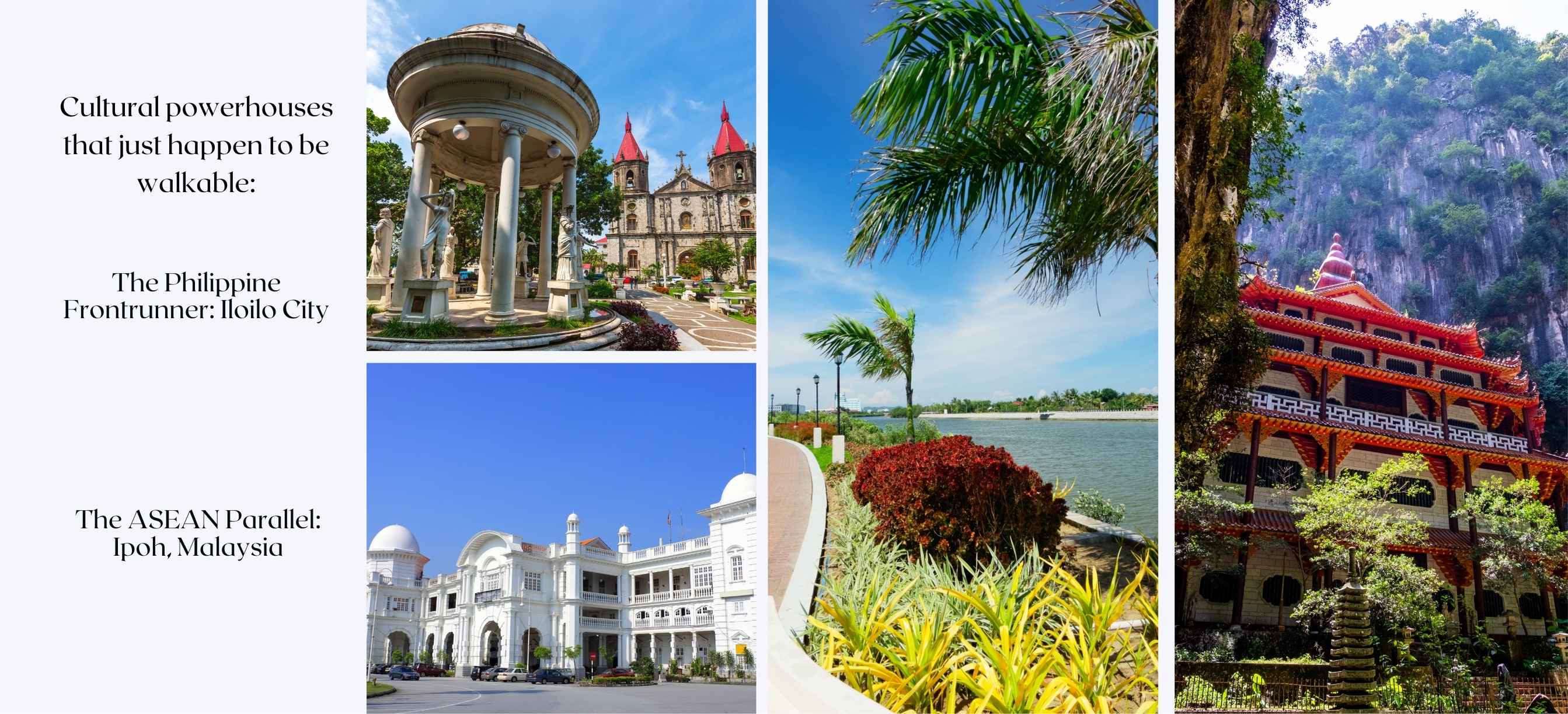
The "Deep Dive" traveler is trading the chaotic energy of the megacity for the "Secondary City"—emerging urban hubs that offer better infrastructure, richer heritage, and a pace of life that actually feels like a vacation. These aren't sleepy backwaters; they are cultural powerhouses that just happen to be walkable.
The Philippine Frontrunner: Iloilo City
Nowhere is this shift more obvious than in Iloilo City. Long considered the "City of Love," it has quietly transformed into the Philippines’ most sophisticated alternative to Manila.
Why is it the face of 2026?
- The Global Stamp of Approval: As the Philippines’ first UNESCO Creative City of Gastronomy, Iloilo has proven that its food culture (from humble La Paz Batchoy to heirloom KBL stews) is world-class.
- The 2026 Spotlight: With the Philippines chairing ASEAN in 2026, Iloilo is gearing up to host key diplomatic meetings. This means the city is polishing its "silverware"—expect upgraded heritage sites, cleaner esplanades, and a buzz of international energy.
- The Vibe: Unlike the gridlock of the capital, Iloilo offers the "River Esplanade"—a breathable, walkable waterfront that proves urban planning in the Philippines can be people-centric. It is the perfect "soft landing" for travelers who want culture without the chaos.
Tita M’s Travel Tip: Skip the generic hotel breakfast. In Iloilo, the morning ritual is a bowl of hot batchoy at the La Paz Public Market. It’s not just a meal; it’s a rite of passage.
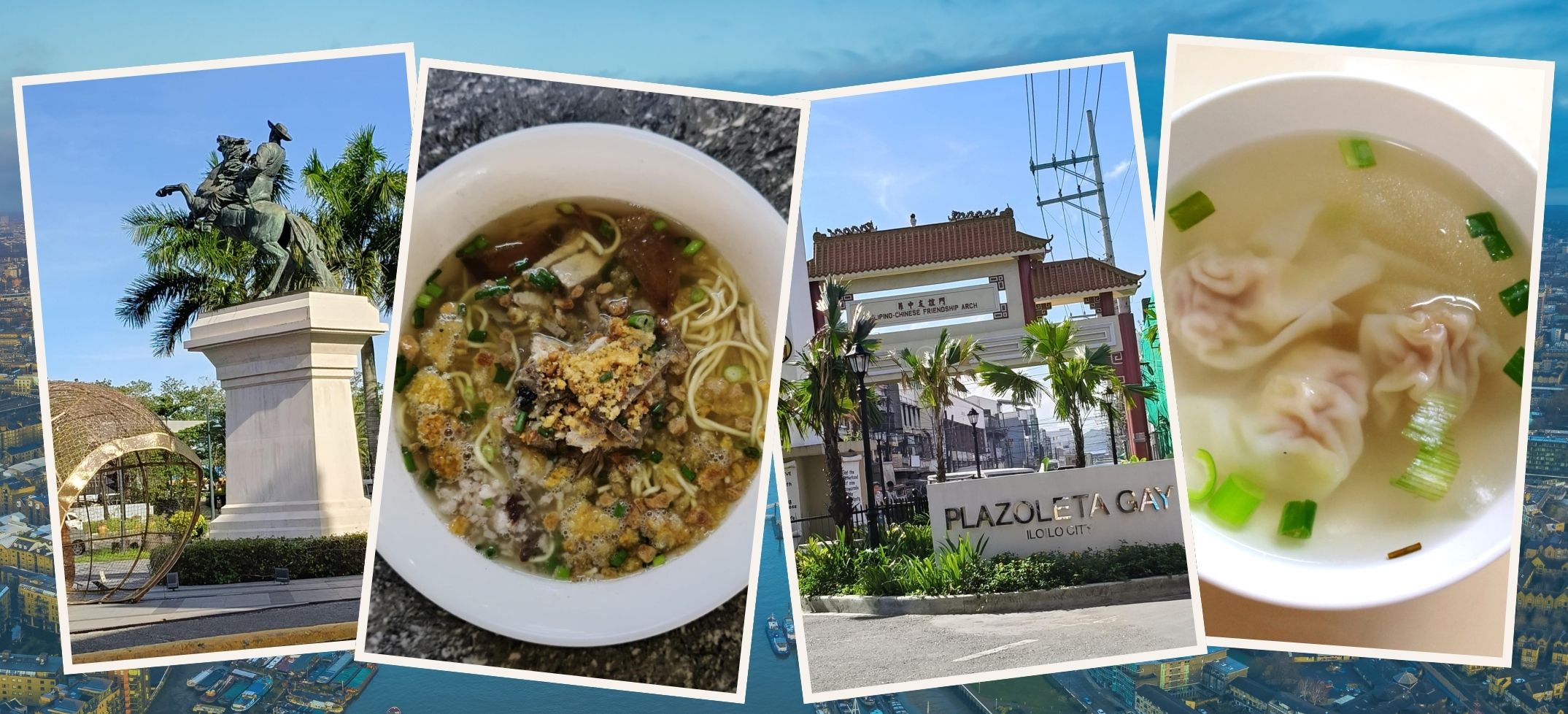
The ASEAN Parallel: Ipoh, Malaysia
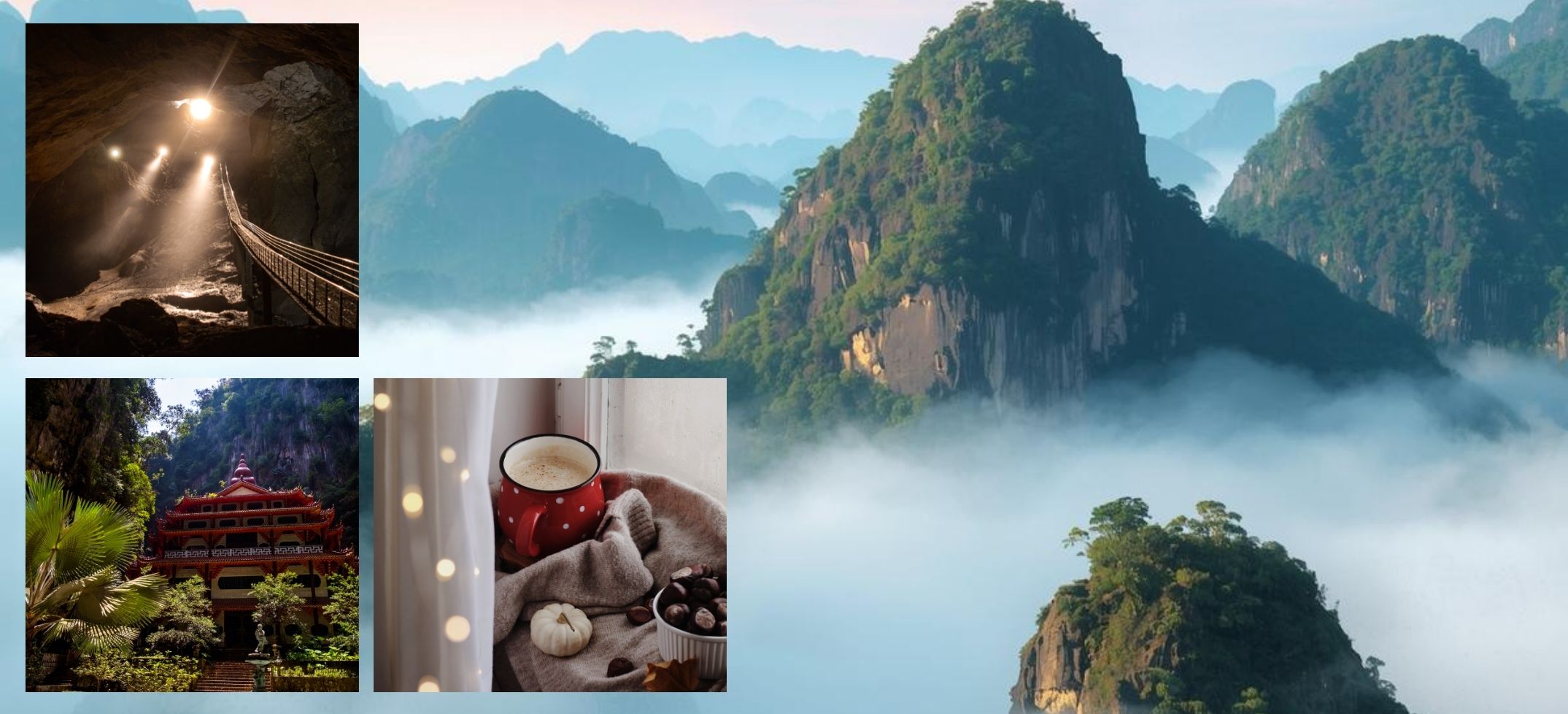
This trend isn’t unique to us. Just as we are looking to Iloilo, travelers in Malaysia are looking to Ipoh. As part of "Visit Malaysia Year 2026," Ipoh is being championed as the cooler, quieter cousin to Kuala Lumpur—famous for its limestone cave temples and legendary white coffee.
The takeaway? In 2026, the status symbol isn't a selfie at the Petronas Towers or Rizal Park; it's discovering the cities that the locals have been keeping for themselves.
The "What" – Grocery Tourism & The Edible Souvenir
In 2026, the era of the fridge magnet is officially over. The "Deep Dive" traveler knows that the best way to understand a culture isn't through a museum, but through a supermarket aisle.
We call this "Grocery Tourism"—the act of wandering through local wet markets, 7-Elevens, and neighborhood grocery stores to find souvenirs that you can actually use. It is affordable, it supports local producers, and it extends the travel experience long after you’ve unpacked your bags.
The Iloilo Pantry: What to Buy
If you are visiting Iloilo (or heading home!), skip the generic airport gift shops. Go to the Iloilo Central Market or a local Iloilo Supermart and look for the "holy trinity" of Ilonggo flavors that you simply cannot replicate elsewhere:
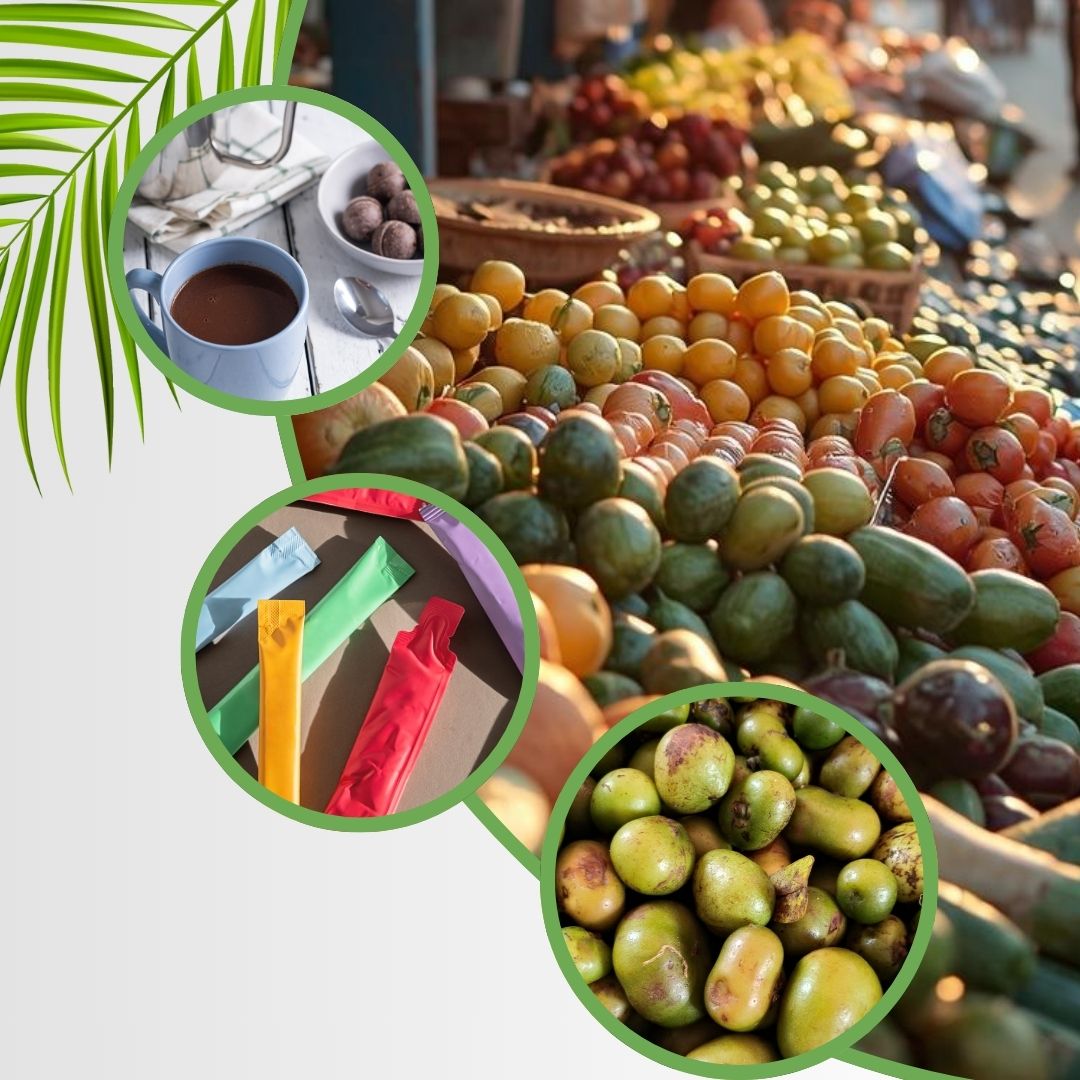
- The Secret Acid: Batuan. You cannot cook a legit KBL (Kadyos, Baboy, Langka) or Sinigang without this souring fruit. In 2026, bringing home a pack of powdered batuan or preserved puree is the ultimate flex for any home cook.
- The Morning Ritual: Tablea. Iloilo’s chocolate history is deep. Look for the pure, grit-heavy tablea rounds from local makers (like the ones from local markets or artisan brands) to recreate that thick, batirol-whisked hot chocolate back home.
- The Crunch: Biscocho, but make it artisan. While the big brands are great, 2026 is about finding the small-batch, wood-fired bakeries in Jaro or Molo that still do it the old-fashioned way.
The ASEAN Cart: The Regional "Shelfie"
This trend is sweeping the region.
- In Malaysia: Travelers are bypassing duty-free chocolates for Ipoh White Coffee sachets (the ones locals actually drink) and packets of Sarawak Laksa paste from the neighborhood grocer.
- In Thailand: The "souvenir" of choice is now found at 7-Eleven. From specific flavors of Lay’s chips to the legendary toasted sandwiches, the convenience store has become a culinary destination in its own right.
The Rule of Thumb: If you can eat it, cook with it, or share it at a dinner party, it’s the perfect souvenir for 2026.
The "How" – Policy Meets Passion (The Green Angle)
It is easy to dismiss "sustainable travel" as just another buzzword, but in 2026, it is becoming the law of the land. The shift toward slower, deeper travel isn't just a traveler preference anymore—it is being written into the government blueprints of the region.
The Philippines: "Navigating Our Future, Together"
As the host of the ASEAN Chairship in 2026, the Philippines is setting the tone for the entire region with the theme "Navigating Our Future, Together."
The centerpiece of this vision will be the ASEAN Tourism Forum (ATF) hosted in Cebu in January 2026. The agenda is clear: move away from mass tourism and toward the "One Destination" concept—where travelers are encouraged to hop between ASEAN countries using sustainable corridors, rather than just hitting one crowded beach and leaving.
For you, the traveler, this means better connectivity to those "Secondary Cities." Expect to see more support for community-based tourism where the fees you pay go directly to conservation—protecting the very waters and mountains you came to see.
Malaysia: The "Net Zero" Vacation
Meanwhile, our neighbor is launching "Visit Malaysia Year 2026" with a massive target of 35.6 million tourists, but with a twist: they want high-value, low-impact visitors.
The campaign is heavily spotlighting "ecotourism giants" like the Mulu Caves and Danum Valley, effectively rebranding Malaysia as the "Green Lung" of Southeast Asia. We are also seeing the rise of green levies—similar to Singapore’s sustainable aviation fuel tax—which means your ticket price might tick up slightly, but that premium is the literal price of keeping the skies blue.
The Reality Check: In 2026, "luxury" isn't about gold taps and infinity pools. Luxury is access to nature that hasn't been spoiled.
Conclusion: The "Deep Dive" Itinerary
So, what does the perfect 2026 itinerary look like?
It doesn’t look like a checklist. It looks like a slow morning in Iloilo City, sipping a hot chocolate made from local tablea you bought at the wet market. It looks like a train ride to Ipoh, watching the limestone karsts roll by. It looks like a suitcase filled not with keychains, but with jars of batuan puree and packets of artisanal curry paste.
2026 is the year we stop treating Southeast Asia like a theme park and start treating it like a neighborhood. The flights are booked, the policies are in place, and the secondary cities are waiting.
The only question left is: Are you ready to take the slow route?