MARKETS AS MUSEUMS: A VIGNET IN TWO CITIES
By Marie. July 6, 2025
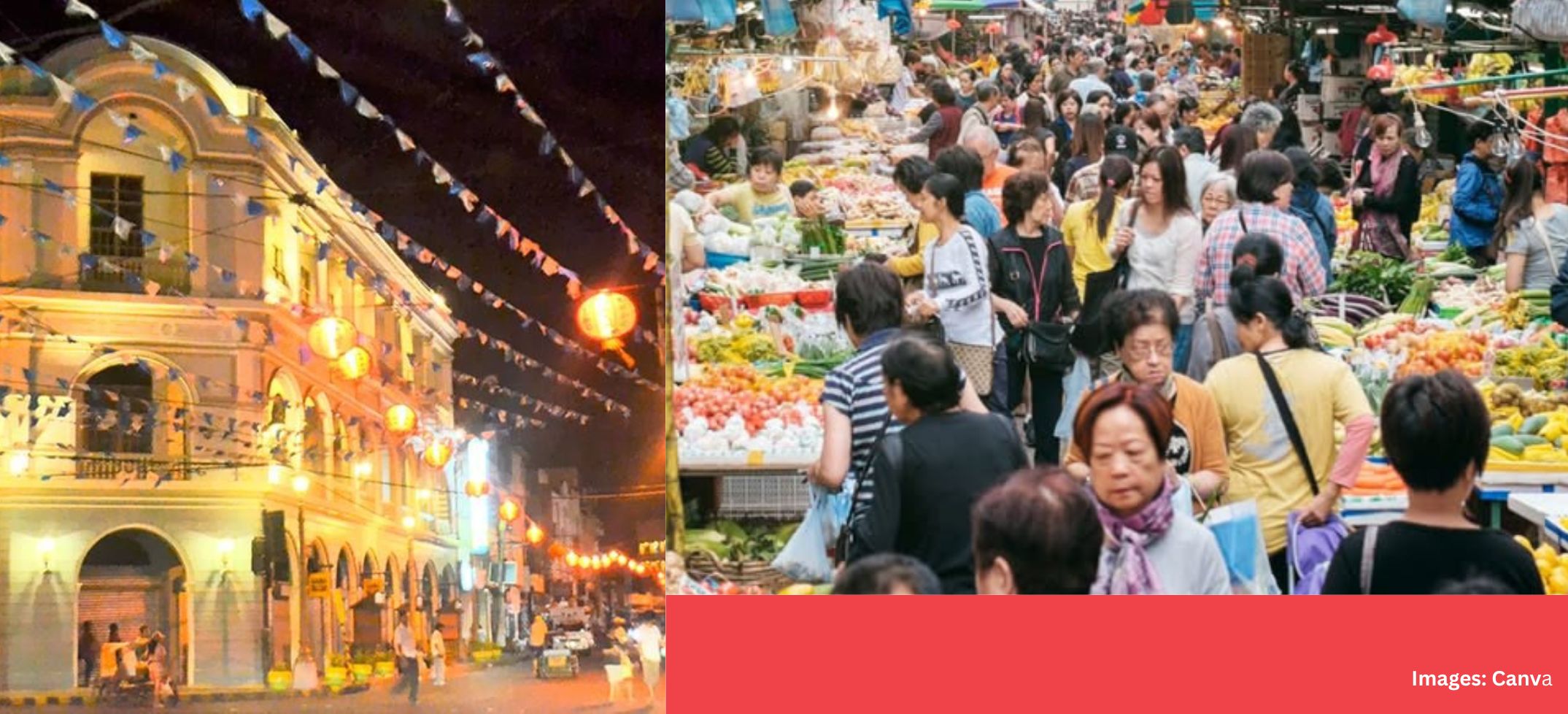
In February 1997, I wandered through Hong Kong’s markets under red lanterns that trembled like secrets. The handover to China loomed just months away, but in Kowloon’s bustling lanes, life insisted on being ordinary—saffron bundles tied with twine, embroidered slippers stacked with care, the aroma of fish sauce and sandalwood trailing through conversation. Each stall felt curated, not by curators but by memory keepers.
Markets are museums, not because they house artifacts, but because they live them. Their curations are edible, wearable, audible.
Iloilo's Calle Real carries the same pulse. Here, fruit vendors speak in hybrid tongues—Hiligaynon wrapped in Spanish cadence. Old men sell heirloom mangoes beside colonial shopfronts, while mat weavers offer patterns handed down like lullabies. There is no velvet rope here, only sun-warmed sidewalks and soft exchanges.
These markets do not demand reverence. They invite it. And in doing so, they form values: continuity, reverence, resilience. You don’t walk through them—you participate in history.
Markets teach us that culture is not always found in curated exhibits or gilded archives—it thrives in the hum of everyday exchanges, in the wrinkle of a vendor’s hands, in the weight of language shared across generations. Whether in Hong Kong’s ephemeral dusk or Iloilo’s sun-drenched mornings, markets remind us to listen not just with our ears, but with memory. To buy from them is to inherit stories.
Which market have you visited whose ambient audio of chatter, footsteps, and distant laughter remains vivid? Tell us about it!