Shenzhen, in a Blink
By Marie. August 22, 2025
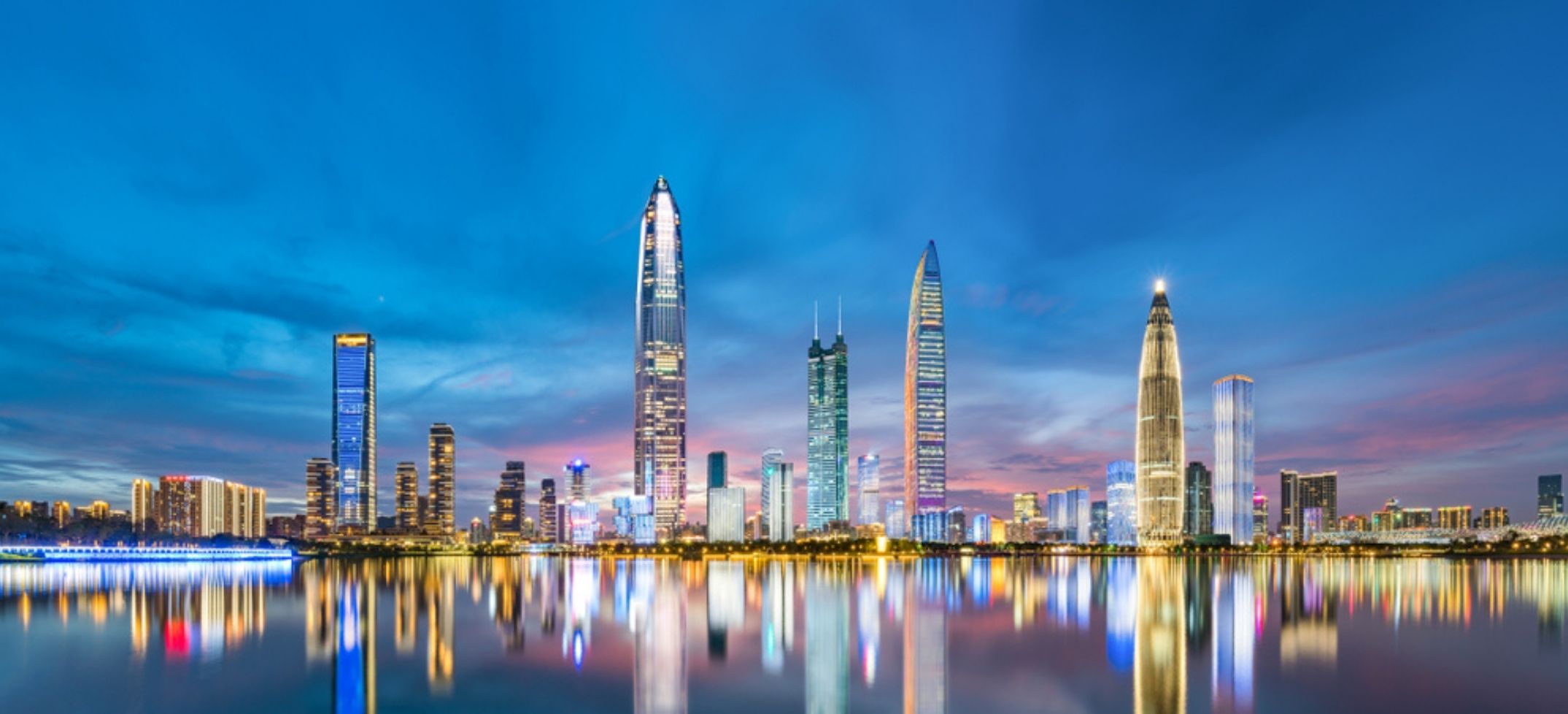
I crossed into Shenzhen with a notebook in my bag and a question in my chest: What does a city become when it’s told to dream in code?
China's First Free Port
It was the late 1990s, and China’s first free port was humming with possibility—glass towers rising where fishing boats once docked, circuit boards replacing silk. I didn’t know then that I was walking into the blueprint of a future metropolis, a place where speed was currency and reinvention was law. I came as a traveler, just for a short visit, but left as a witness to something rare: a city mid-transformation, writing its own origin story in real time.
It began with an invitation. A friend knew I was in Hong Kong and asked me to join her for the opening of her restaurant in Macao. I took a mid-afternoon ferry, notebook still in my bag, and headed toward her rented condominium near the pier. I dreaded walking, so I waited for a shuttle van that ferried residents to and from the villa and the city center.
Like a European Parliament
When I arrived, the guests were already in high spirits—glasses of whiskey in hand, laughter spilling into the room. I was introduced to a lively mix of Europeans: a German, a Belgian, a Frenchman, and others whose nationalities I can no longer recall. It felt like the opening of the European Parliament, only with more warmth and less protocol.
The restaurant’s name escapes me now, but the evening remains vivid. There was ribbon-cutting, a short and heartfelt speech from my friend, prayers for blessings, long toasts, and well wishes. But what stayed with me most was the tête-à-tête over dinner. I was seated with my friend Inez, her husband Louis—a Belgian—and the German guest who casually mentioned he was opening a restaurant in Shenzhen the very next day. We were all invited. I lit up.
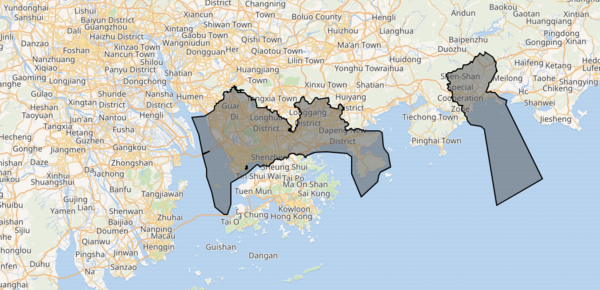
That night, I stayed with Inez and braced myself for what I knew would be an adventure. Shenzhen, a special economic zone on the east bank of the Pearl River estuary, was already gaining momentum. In 2020, its population would reach 17.5 million—a mighty, populous city indeed.
The next day, I woke to the sound of clinking cutlery. Inez and Louis were already having lunch. Famished, I joined them, and the conversation turned to Shenzhen. Louis, I learned, ran an electronics factory there. Later that afternoon, we drove to the city in his car. I didn’t hold a visa, and strangely, the thought didn’t occur to me until I was back in the Philippines.
My First Glimpse of Shenzhen, China's Silicon Valley
My first glimpse of Shenzhen was from a hillside vantage point, looking down into a valley of lights—each building, big or small, glimmering like a pixel in a digital dreamscape. It was breathtaking. Like staring at a postcard of a city breaking out of its shell.
When we arrived, my excitement grew. The German—whose name I sadly can’t recall—welcomed us warmly. He managed a factory producing electronic parts for German cars, and seeing a gap in the market, decided to open a restaurant serving German cuisine. The opening was simple, understated. But our conversation about Shenzhen’s history was anything but. I realized then that China’s ascent to global economic power was no longer a distant forecast—it was unfolding before my eyes.
My visit was brief, but the impression was indelible. I promised myself I’d return. I haven’t yet. But it’s a promise I still intend to keep.
✈️ If You Blink, You Might Miss It: A Quick Guide to Experiencing Shenzhen Beyond Business
Getting There & Around
- Visa Tips: Travelers from Hong Kong can often enter Shenzhen via the border crossing at Luohu or Futian. As of 2025, some cruise tour groups may enter visa-free for up to 15 days. Always check the latest visa policies before traveling.
- Transport: Shenzhen’s metro is fast, clean, and affordable (¥3–¥6 per ride). Apps like DiDi (China’s Uber) make taxis easy to hail. High-speed trains connect Shenzhen to Hong Kong (14 minutes) and Guangzhou (40 minutes).
Beyond the Market Stalls: What to See & Do
- 🏙️ Ping An Finance Centre: One of the tallest buildings in the world. The 116th-floor observatory offers sweeping views of Shenzhen and Hong Kong.
- 🎨 Dafen Oil Painting Village: A haven for artists and collectors. Watch painters recreate masterpieces or commission your own.
- 🌊 Shenzhen Bay Park: A waterfront promenade perfect for cycling, sunset walks, and people-watching.
- 🎭 Splendid China Folk Village: A cultural theme park showcasing China’s diverse ethnic traditions, architecture, and performances.
- 🛍️ Dongmen Old Street: A pedestrian shopping district with historic flair, local snacks, and antique finds.
- 🍽️ Sea World in Nanshan: Not an aquarium, but a luxury dining and shopping complex built around a docked ocean liner.
Hidden Gems
- 🧘Lianhuashan Park: A serene escape with lotus ponds and panoramic city views.
- 🕍 Shun Hing Square: Once Asia’s tallest and thinnest skyscraper, now a quiet place to reflect on Shenzhen’s rapid rise.
- 🖼️ Shenzhen Museum of Contemporary Art and Urban Planning: For those curious about the city’s architectural evolution and future dreams.
Sources:
The youthful, dynamic, and innovative megacity...
Today, Shenzhen is known as a fast growing, forward-looking and youthful metropolis in the world. It's developed from a small fishing village into a megacity of over 12 million population, attracting global corporations and people who call it home.
...with a history of 7,000 years
Shenzhen might be one of the world's youngest metropolis, however it has a much longer history than its rapid development known in the four decades. Evidence of antiquity shows its rich past. The Nantou town used to be the gatekeeper of the pearl river and Guangzhou.
--Google Arts & Culture