The Taste of Memory: Culinary Journeys That Stay With You
By Marie. September 24, 2025. Updated October 9, 2025.
The first spoonful tastes like home—though you’re miles away. Tamarind lingers on your tongue, and suddenly you’re back in your grandmother’s kitchen, watching her slice green mango with salt and laughter. In Southeast Asia, food isn’t just nourishment. It’s narrative.
Turn your passion for food, travel, and culture into profit
This viral blog post "The Taste of Memory: Culinary Journeys That Stay With You" inspired The Taste of Profit -- the ultimate guide to building high-value, niche businesses inspired by authentic culinary experiences. Designed for aspiring entrepreneurs, food bloggers, travel insiders, and digital nomads, this e-book reveals how to transform stories, flavors, and traditions into thriving ventures that command premium pricing.
The e-book delivers practical steps, low-cost testing ideas, and proven strategies to help you launch exclusive and scalable culinary enterprises.
If you crave authenticity and dream of creating a business that celebrates your roots while fueling your independence, this is your blueprint. Your most rewarding—and profitable—journey starts here.
Buy on
More and more travelers are skipping tourist buffets and seeking meals that come with stories. In Hoi An, Madame Van welcomes guests into her home for a private dinner that begins with a market walk and ends with a toast to her late husband’s favorite dish. In Hanoi, Tam Cuisine offers cooking classes that feel like family reunions—complete with heirloom recipes and quiet wisdom.
Why Culinary Travel Is Rising
These experiences aren’t just about flavor. They’re about intimacy. They invite you to sit, listen, chop, stir, and remember. They blur the line between host and guest, between traveler and storyteller. And they’re becoming the heart of experiential travel across Southeast Asia.
Farm To Table With Local Ingredients
The Farm-to-Table movement is blossoming across Southeast Asia, transforming the region's food scene. No longer just a trend, it's a culinary philosophy that champions freshness and sustainability. From Michelin-starred restaurants like Haoma in Bangkok to local favorites in Bali, chefs are building strong partnerships with farmers and foragers to source indigenous, seasonal ingredients. This not only ensures a higher quality of food but also reduces the carbon footprint and supports local economies. For food lovers, dining at these establishments offers a unique, hyper-local experience, connecting them directly to the rich agricultural heritage of the land. It's a taste of place.
Culinary Travel: A Feast for Storytellers
For cultural storytellers, this is fertile ground. Food is memory made edible. It’s a way to archive heritage, spark conversation, and build bridges across generations.
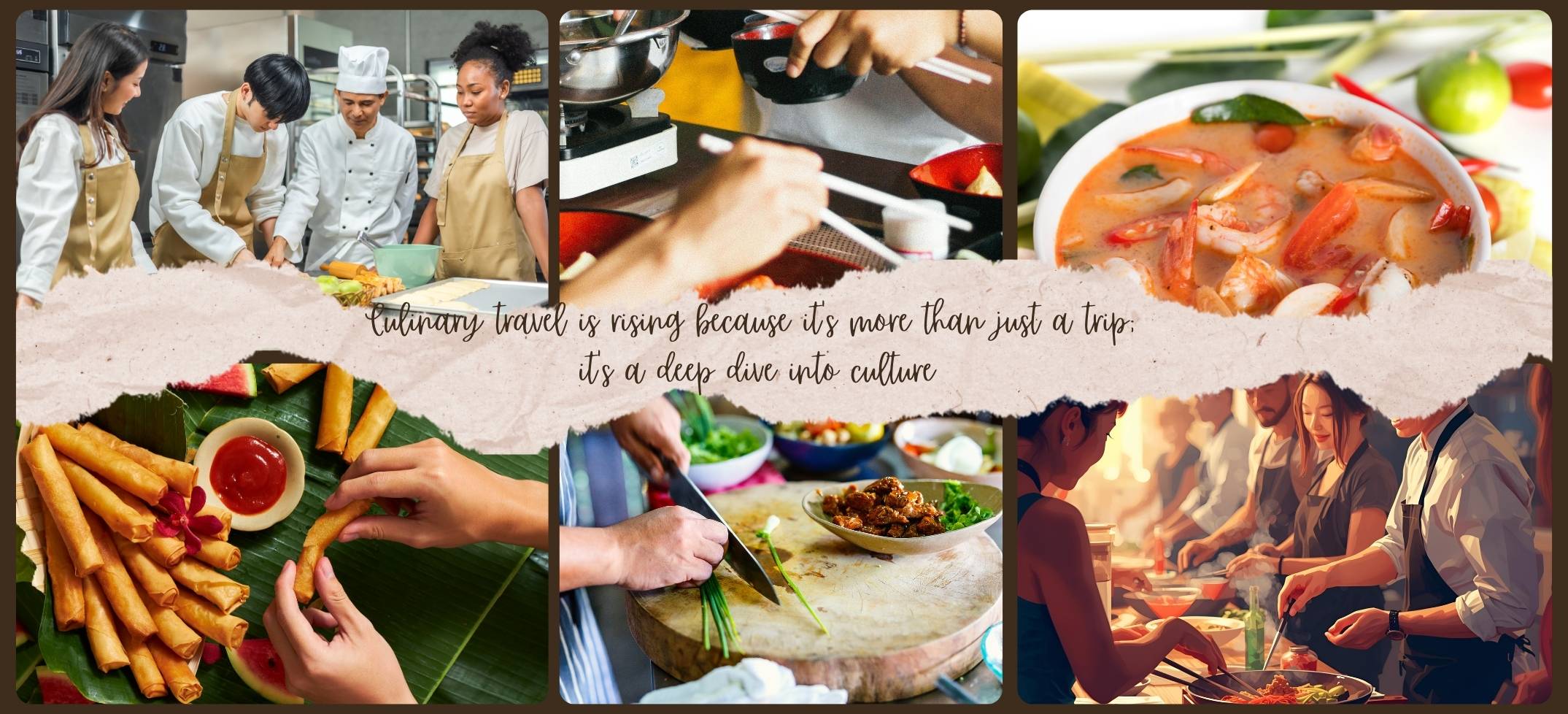
Culinary travel is rising because it's more than just a trip; it's a deep dive into culture, and for storytellers, this offers rich, compelling narratives. Food isn't just sustenance; it’s a living artifact of history, a vessel for tradition, and a powerful tool for human connection.
1. ARCHIVING HERITAGE AND HISTORY
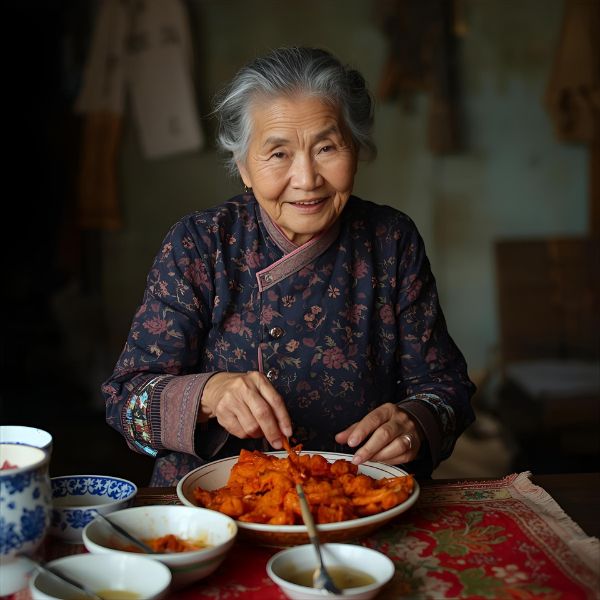
Food acts as an edible archive of heritage. Every dish tells a story of its origins, from the ingredients used to the cooking methods passed down through generations. For storytellers, this is a goldmine. You can explore how a dish like Italian pasta reflects the country's agrarian history, or how the flavors of Vietnamese pho tell a tale of French colonial influence and local resilience. Stories can be told through the hands of the grandmother who still uses her family's centuries-old recipe, or through the struggles of a community to preserve a specific farming tradition. These narratives ground history in a tangible, relatable way, making it feel personal and immediate.
2. SPARKING CONVERSATION AND CONNECTIONS
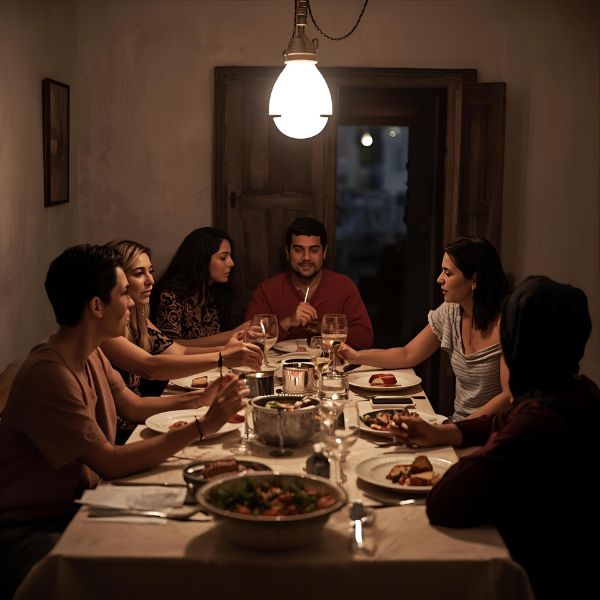
Food is a universal language that breaks down barriers and fosters human connection. Sharing a meal is an intimate act that can spark conversations and reveal truths that formal interviews might miss. Storytellers can capture these moments: the laughter at a bustling street food stall in Thailand, the heartfelt discussion over a family dinner in Mexico, or the shared silence of enjoying a perfect croissant in Paris. These settings provide an authentic backdrop for exploring cultural norms, values, and individual stories. The act of cooking and eating together creates a shared experience that allows for vulnerability and genuine interaction, leading to more profound and authentic stories.
3. BUILDING BRIDGES ACCROSS GENERATIONS

Food is a powerful link between the past, present, and future. A dish can be a thread connecting generations, tying a child to their ancestors through taste and memory. Think of a family recipe for a holiday dish—it's not just a recipe; it's a tradition, a source of comfort, and a way to honor those who came before. Storytellers can explore the dynamics of this intergenerational transfer of knowledge. They can tell the story of a young chef returning home to learn a forgotten technique from their grandfather, or a community coming together to pass on the knowledge of foraging for local ingredients. This theme of cultural continuity through food provides a deeply emotional and resonant narrative.
4. A SENSE OF PLACE AND IDENTITY
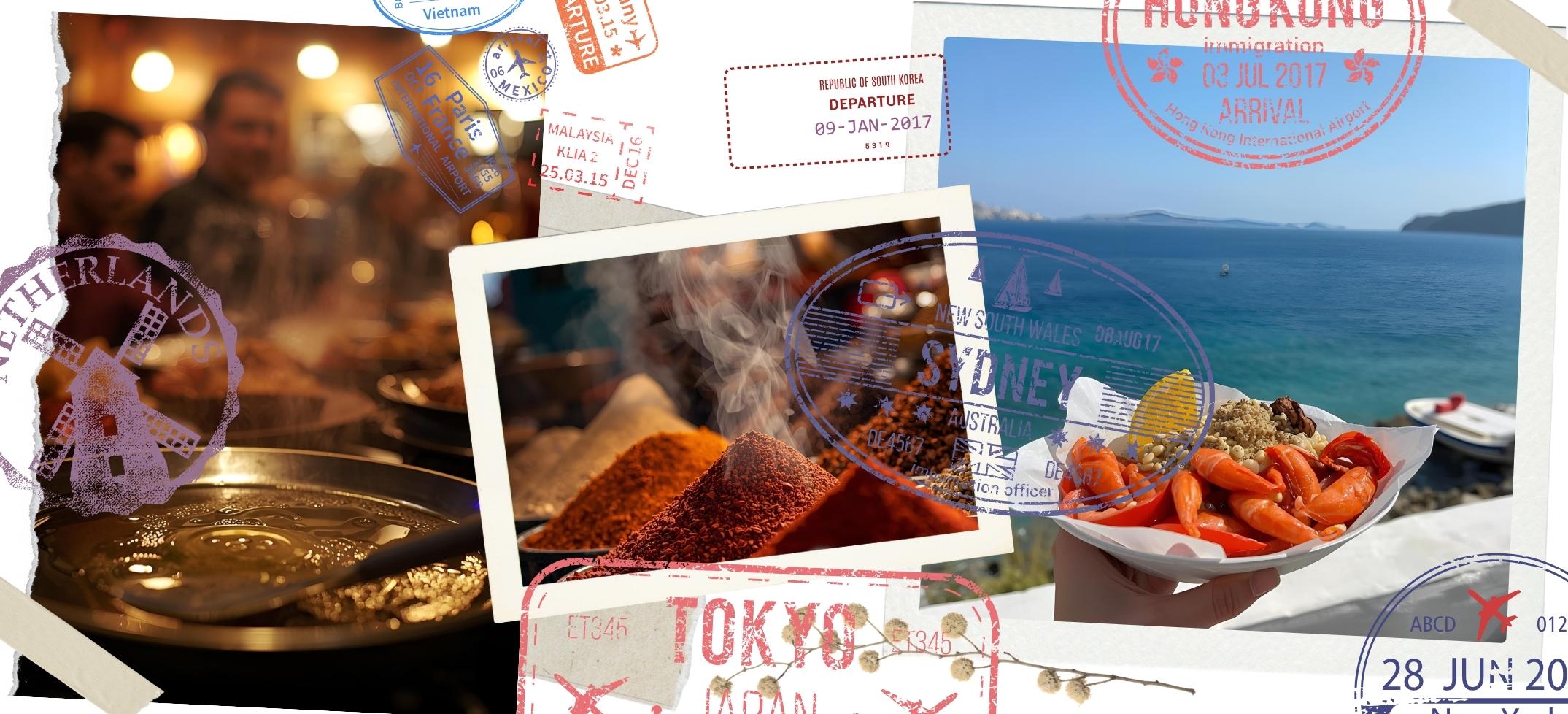
Culinary journeys offer a sensory experience that grounds a story in a specific sense of place. The aroma of spices in a Moroccan market, the sound of sizzling oil in a Spanish tapas bar, or the taste of fresh seafood by the sea in Greece all contribute to the narrative. Food is inextricably linked to a location’s geography, climate, and local culture, providing a multi-sensory landscape for a storyteller to explore. It helps in creating a vivid and immersive experience for the audience, helping them understand not just what people eat, but who they are and where they come from. Read: Unveiling and celebrating the hidden gems of Iloilo’s rich culinary heritage.
Which Country in Southeast Asia Logs More Culinary Journeys?
Based on available information and recent trends, while it's difficult to get precise, definitive statistics for "culinary journeys" as a specific metric, a few countries in Southeast Asia consistently stand out as leaders in culinary tourism.
- THAILAND. Thailand is arguably the most recognized and popular culinary destination in Southeast Asia. Several sources indicate a high level of interest in Thai food and a strong correlation between food and tourism in the country. Data from travel platforms and tourism reports often show that Thailand, and particularly Bangkok, tops the list for "most searched" or "most endorsed" food and beverage experiences. The country's street food scene is legendary and has received global recognition, including Michelin stars for some street food vendors.
- VIETNAM. Vietnam is another major player in culinary tourism. Its cuisine, known for its balance of fresh ingredients and complex flavors, is a significant draw for visitors. Cities like Hanoi and Ho Chi Minh City are celebrated for their vibrant street food culture, and the country's famous dishes like Phở and Bánh Mì have gained international acclaim. There is a strong emphasis on "market-to-table" philosophy, and many travelers are interested in authentic culinary experiences like cooking classes and food tours.
- MALAYSIA. Malaysia is a popular destination for food lovers due to its unique multicultural cuisine, which is a blend of Malay, Chinese, and Indian influences. Penang, in particular, is often hailed as the "food capital" of Malaysia, known for its hawker stalls and street food classics like Char Kway Teow and Laksa. Kuala Lumpur is also a major culinary hub.
- INDONESIA. As the largest economy in Southeast Asia, Indonesia is also strategically promoting its rich culinary heritage to attract more tourists. While Bali is a well-known tourist destination, the country's diverse cuisine is a key part of the travel experience. A significant portion of tourist expenditure in Indonesia is for food and beverages, highlighting its importance to the tourism sector.
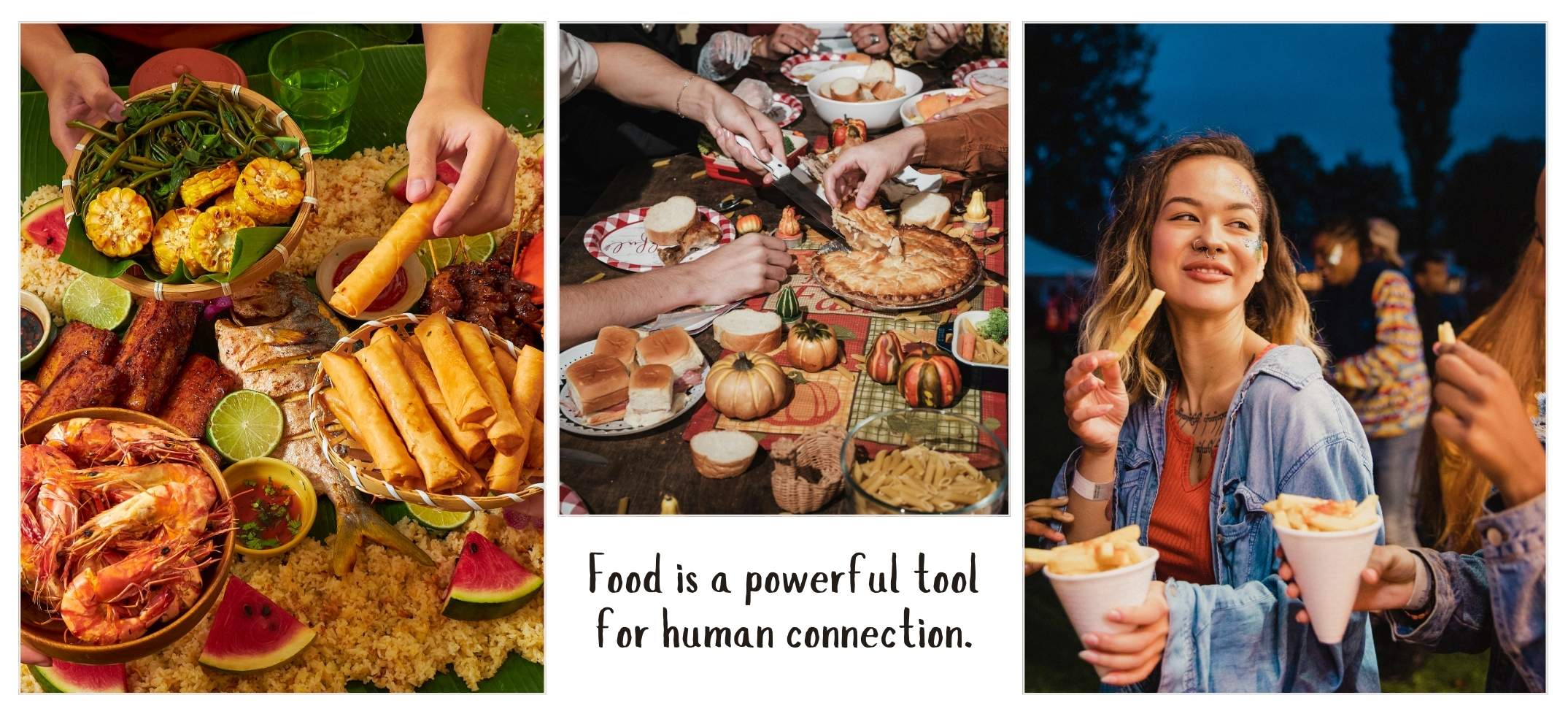
Food is a universal language that breaks down barriers and fosters human connection. Sharing a meal is an intimate act that can spark conversations and reveal truths that formal interviews might miss. Storytellers can capture these moments: the laughter at a bustling street food stall in Thailand, the heartfelt discussion over a family dinner in Mexico, or the shared silence of enjoying a perfect croissant in Paris. These settings provide an authentic backdrop for exploring cultural norms, values, and individual stories. The act of cooking and eating together creates a shared experience that allows for vulnerability and genuine interaction, leading to more profound and authentic stories.
What dish tells the story of your hometown or heritage?
Share your culinary story with us.
For those who travel with intention, memory deserves a map
Introducing CARRIED PLACES—poetic companions for travelers who seek meaning in motion.
🎁 Get this mini printable travel memory kit FREE when you Subscribe to TITA M JOURNALS newsletter. And, receive updates, future kits, or custom offerings from titamwanders.com.

Whether you're diving into eco-volunteering, dancing through festivals, or solo-traveling for wellness, these kits help you turn experience into legacy.
🧳Because rest isn’t just a pause—it’s a page in your story.