Food as Memory, Medicine, and Map
A Wanderer’s Guide to Living Well at Any Age.
There’s a popular saying that goes: At 20, food is pleasure. At 40, food is fuel. At 60, food is survival.
It’s not a scientific law, but it does echo what researchers observe across the human lifespan — how our motivations for eating shift from the brain’s reward centers, to metabolic efficiency, and eventually to physiological preservation. But beyond biology, food is also culture, memory, and inheritance. And for many Filipinos, food is the language of love.
For me, food is all of these things at once.
At 20: Food Is Pleasure — The Hedonic Phase
In our twenties, food is adventure. It’s barkada nights, street food after class, the thrill of discovering a new café, the freedom of eating whatever we want because metabolism is still on our side. The body is forgiving, the appetite is bold, and the world feels wide open.
We eat because it’s fun — because it tastes good, because it’s social, because it’s part of becoming who we are.
But even then, food is already memory. Every Filipino knows this: the smell of garlic hitting hot oil can transport you instantly to childhood. A bowl of arroz caldo can feel like a hug. A spoonful of adobo can remind you of home.
At 40: Food Is Fuel — The Functional Phase
By midlife, food becomes strategy.
We start thinking about cholesterol, blood pressure, energy levels, and how certain meals make us feel. We learn that food can slow us down or help us survive the day. We eat to keep going — to work, to parent, to build, to endure.
This is the age when many people begin to lose their intuitive hunger cues. Stress, schedules, and responsibilities reshape our relationship with eating. Food becomes a tool for performance.
But even here, food remains a map — guiding us back to our roots when life becomes too loud.
At 60+: Food Is Survival — The Homeostatic Phase
Scientists say that in our senior years, eating becomes a biological necessity more than a pleasure-driven act. Protein becomes crucial to fight sarcopenia (age-related muscle loss). Micronutrients become essential to protect bones, immunity, and cognition. Many older adults lose appetite, smell, and taste — making eating a conscious, mechanical act.
But here’s the thing: Not everyone fits the stereotype.
I’m in my 60s, and my appetite is very much alive. My sense of smell? Razor-sharp. I can stand three rooms away — a good twenty meters — and still know what’s cooking in the kitchen. I can smell if a dish will taste good before it even reaches the table.
And I know exactly why.
Food as Inheritance: The Kitchen I Was Born Into
I didn’t just grow up with good cooks.
My mother was a force — running a carinderia, managing a Manila restaurant, cooking in an elite kitchen in Forbes Park, and commanding a successful Pasay eatery in the 90s. My grandfather, my uncle, my sisters — all part of this lineage of feeding people.
Food wasn’t just nourishment in our home. It was livelihood. It was survival. It was love. It was identity.
When my mom passed away in 2013, she didn’t just leave behind recipes. She left behind an empty kitchen throne.
Living alone in a large ancestral house can make a kitchen feel cavernous. But stepping up to the stove — because “there’s no one there to help me” — became a quiet act of resilience. A reclaiming. A continuation.
I am not just cooking for myself. I am cooking for everyone who came before me.
Food as Medicine: The Everyday Healing We Forget
At this age, food becomes medicine — not in the clinical sense, but in the deeply human one.
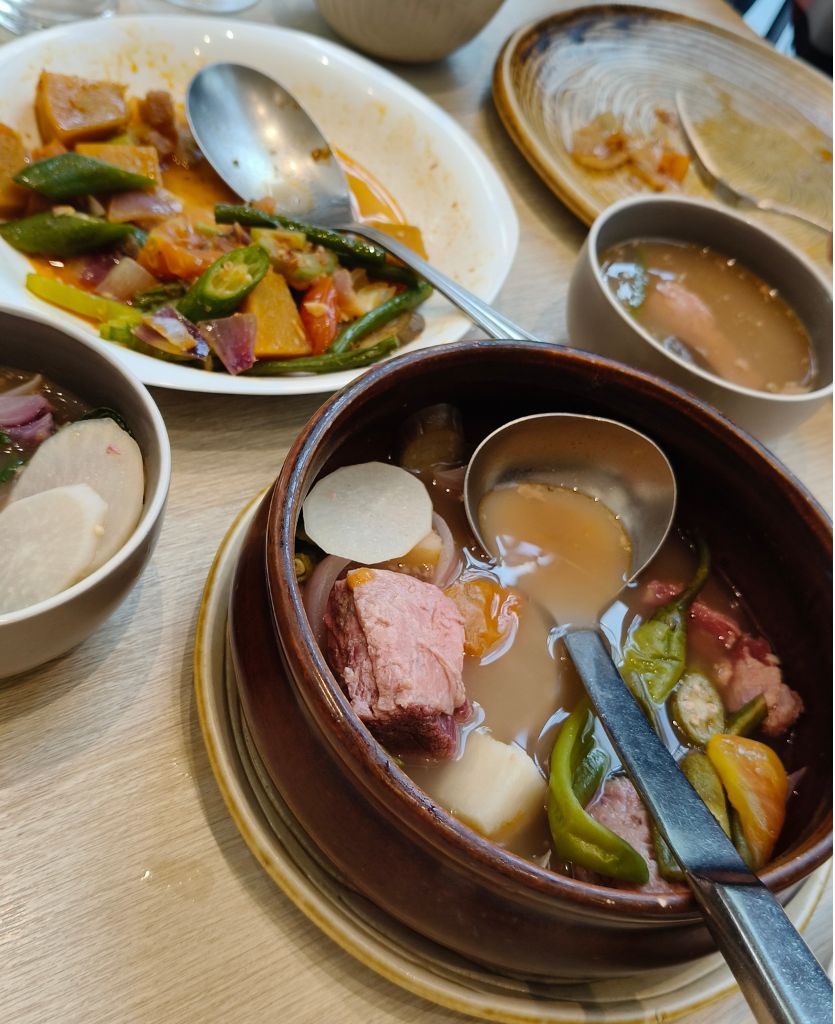
A bowl of tinola can calm a restless mind. A slice of mango can remind you of childhood summers. A pot of sinigang can bring back someone you miss. A simple breakfast can anchor you when life feels too heavy.
Food heals in ways science can measure — and in ways it cannot.
Food as Map: How We Navigate Life Through Taste
Food tells us where we’ve been, who raised us, what shaped us, and what we carry forward.
For Filipinos, food is a map of migration, memory, and meaning:
- The dishes our mothers cooked.
- The recipes our grandparents whispered.
- The flavors that survived wars, poverty, and diaspora.
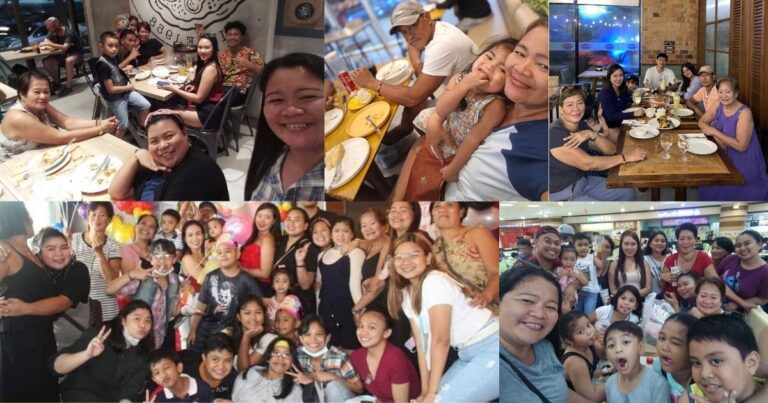
- The meals that held families together.
Food is how we remember. Food is how we endure. Food is how we live our best life — at any age.
Living Your Best Life at Any Age Through Food
To live well at 20, 40, 60, or beyond, we don’t need strict diets or complicated philosophies. We need awareness, joy, and connection.
At 20: Eat widely. Taste boldly. Build memories. At 40: Eat intentionally. Nourish your energy. Protect your body. At 60+: Eat consciously. Honor your biology. Celebrate your heritage.
And above all — Eat in a way that keeps you connected to who you are and where you come from.
Because food is not just pleasure, fuel, or survival. Food is memory. Food is medicine. Food is map.
And if you listen closely, food will always lead you home.
Co-written with Microsoft’s Copilot.