🌱Beyond the Bucket List: A Slow Traveler’s Guide to Southeast Asian Markets
By Marie. January 18, 2026

(How to trade the rush of the capital for the rhythm of the village—without losing your way or your manners.)
If the last few years were defined by "revenge travel"—that frantic race to tick every box—2026 is shaping up to be the year we finally slow down. We are trading the polished concrete of capital cities for the dusty, vibrant paths of local markets.
But shifting from "tourist" to "guest" requires a shift in mindset. It’s not just about where we go, but how we occupy space once we get there. Here is your guide to navigating Southeast Asia’s local markets with heart, heritage, and respect.
1. The Art of the "Gentle Haggle"
In capital cities, prices are often inflated for tourists. In local markets, prices reflect local livelihoods. The goal here isn't to win a battle for the lowest price; it's to reach a fair agreement. Smile through the transaction. If the vendor is happy and you are happy, it’s a good deal.
A Story from the Road: The Price of Three Days
(As told to me by a friend, Cheng, who now resides in Thailand.) "In a quiet Sunday market in Kalibo, Aklan, Philippines, my friend, Cynthia who was visiting from Colombia, found Nanay Elena tucked behind a stack of banig (woven mats). She picked up a small, intricately woven pouch, tracing the tight, colorful patterns with her thumb. In a busy capital city market (Cheng and Cynthia, a week ago at the time of this story, was in Iloilo City), her instinct might have been to immediately ask for a discount. But here, the rhythm was different. She asked her, "Nanay, how long did this take you to weave?" Cynthia was quick to learn calling older women Nanay. Her eyes crinkled as she held up three fingers. "Three days," she whispered. "Gathering and drying the leaves takes the longest." Suddenly, the price tag felt insignificant. Cynthia didn't haggle over pesos; instead, we traded stories. Nanay Elena told us about her granddaughter who was learning the craft to keep the tradition alive. When Cynthia handed Nanay Elena the payment—no discount asked—Nanay Elena didn't just count the money. She pressed the pouch into Cynthia's hands with a warmth that no souvenir shop could ever replicate. Cynthia and I walked away realizing we hadn't just bought a pouch; we had honored three days of Nanay Elena's life." That is the true currency of slow travel.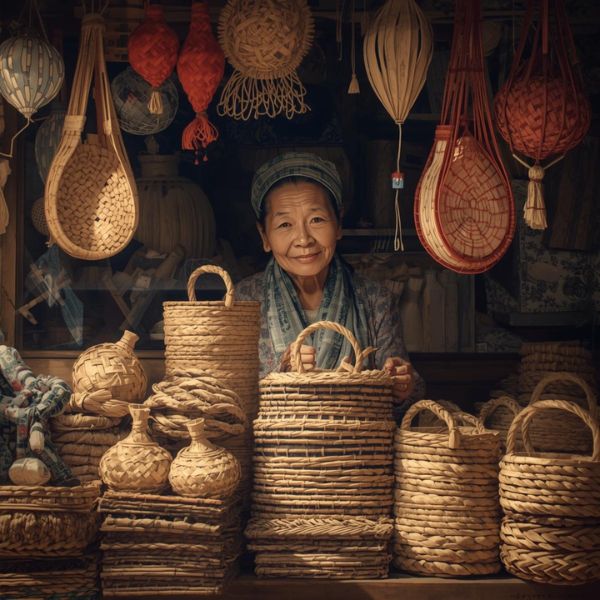
2. Permission Before Pixels
"Trading capitals" means you are likely entering residential zones or working markets, not designated tourist attractions. The people there are living their lives, not performing for an audience. Always make eye contact first. Point to your camera, then to them, and wait for a nod.
A Story from the Road: The Uncaptured Moment
The sun dipped low over the rice terraces, gilding the landscape in a perfect halo of gold. A farmer rested beside his carabao, framed in a tableau that begged to be photographed—the kind of image destined for social media applause. My hand hovered over my phone, ready to capture it. Then he looked up. His gaze wasn’t hostile, just weary—the look of someone tired of being cast as a backdrop in another traveler’s story. In that instant, I made a choice. I lowered the camera, let it hang at my side. Instead, I bowed my head and smiled—a quiet gesture that said, "I see you, not just the scenery." His guarded expression softened into a shy grin. He tipped the brim of his hat, and across the muddy paddy we shared a wordless acknowledgment—a fleeting human connection that no shutter could preserve. That moment lives sharper in memory than any JPEG ever could: unframed, unfiltered, and profoundly real. 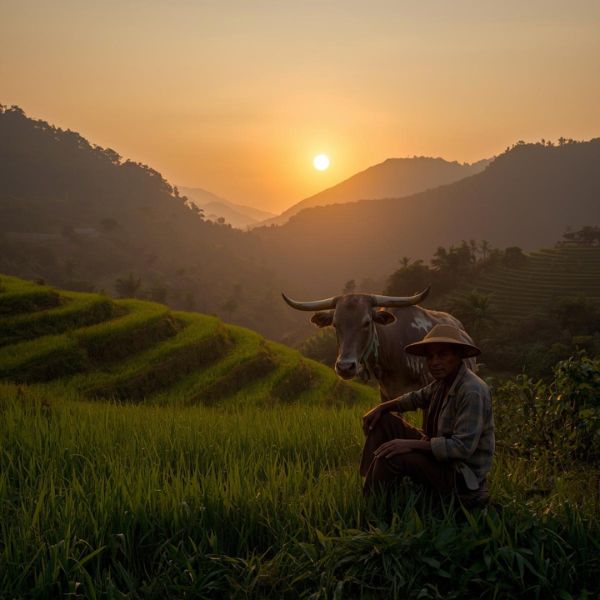
3. Eat the "Ugly" Fruit
In the supermarket, we buy with our eyes, looking for perfection. In the local market, we must buy with our nose and our curiosity. The "ugly" produce is often the one that was grown in a backyard nearby, ripened on the branch, and harvested that morning.
A Story from the Road: The Sweetness of Imperfections
I remember in 2018, I paused at a fruit stall in Khaosan, drawn to a pyramid of flawless, wax-shiny apples imported from far away. Beside them sat a humble basket of small, mottled fruits—yellow-green, bumpy, and frankly a little sad-looking. “Ma’am, try,” the vendor urged, already slicing into one of the misshapen mangoes before I could object. I hesitated. My city-trained instincts craved the perfect fruit. Still, I accepted the slice of the “ugly” mango. The moment it touched my tongue, the world shifted—an explosion of tangy sweetness, rich fragrance, and the unmistakable taste of soil and sunshine. It was alive, vibrant, nothing like the sterile perfection of fruit shipped in boxes. The vendor beamed. “Native! Fresh pick,” he said proudly in Thai. That bite taught me something simple yet profound: in local markets, flavor doesn’t care about symmetry. By choosing the imperfect fruit, I wasn’t settling—I was savoring the true terroir of the region, a taste of authenticity hidden in plain sight.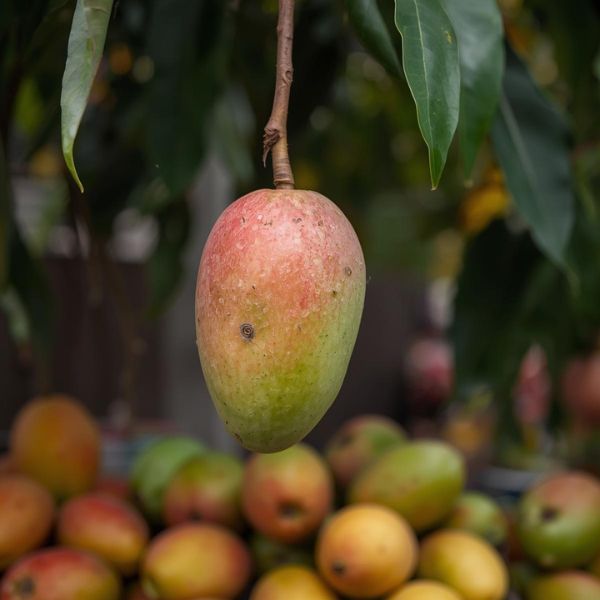
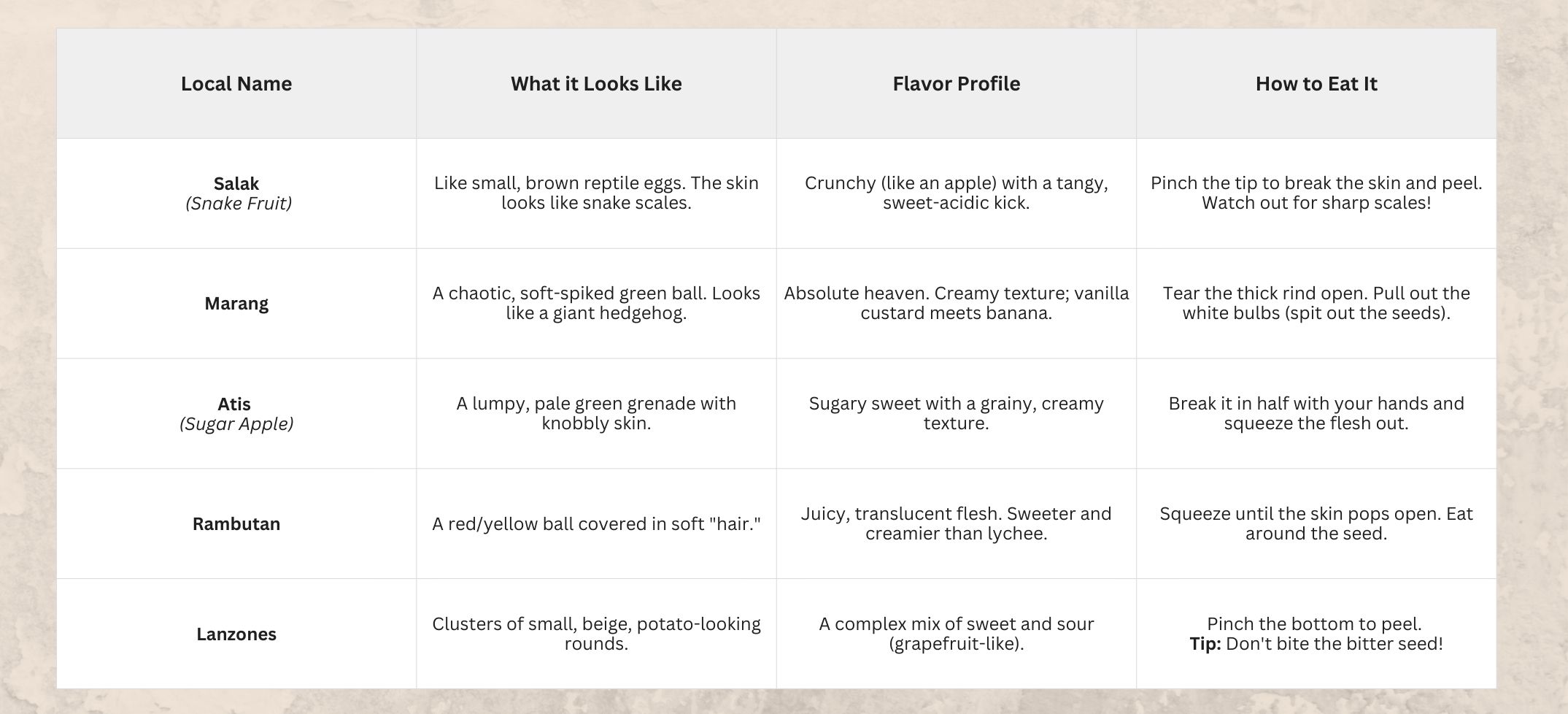
Cheat Sheet: 5 "Ugly But Delicious" Fruits to Try
4. Dress for the Grandmother, Not the Gram
Capitals like Singapore or Makati are cosmopolitan. Rural villages often hold more traditional values. Respecting heritage means respecting the social norms that preserved it. Observe the locals, then mirror them.
A Story from the Road: The Sarong Strategy
While wandering the streets of Bangkok, a kind woman approached me with a question. I fumbled, replying, “I’m sorry, I don’t understand.” She giggled, “Philippines!” I grinned and nodded, my smile stretching ear to ear. In that instant, we became unlikely friends. She spoke no English, I spoke no Thai, yet somehow we understood each other. With a spark of spontaneity, she invited me to visit her village. I accepted—out of curiosity, gratitude, and the thrill of adventure. We boarded a train, then a bus, until we reached a small, sleepy town in the countryside—its name now lost to memory. The midday heat pressed down, and I silently congratulated myself on my “city logic”: the shortest shorts to stay cool. But as we passed rows of houses, I noticed the grandmothers sitting serenely on their porches, dressed in house dresses and long skirts. My outfit marked me as a transient tourist, separated by an invisible wall. I paused, reached into my tote, and pulled out my trusty malong. Wrapping it around my waist, I felt the shift immediately. The next elderly woman we passed caught my eye, smiled, and asked gently in Thai, “Where are you from?” By covering up, I hadn’t just shown respect for their traditions—I had signaled something deeper: that I wished to be welcomed as a guest, not dismissed as a passing spectator. 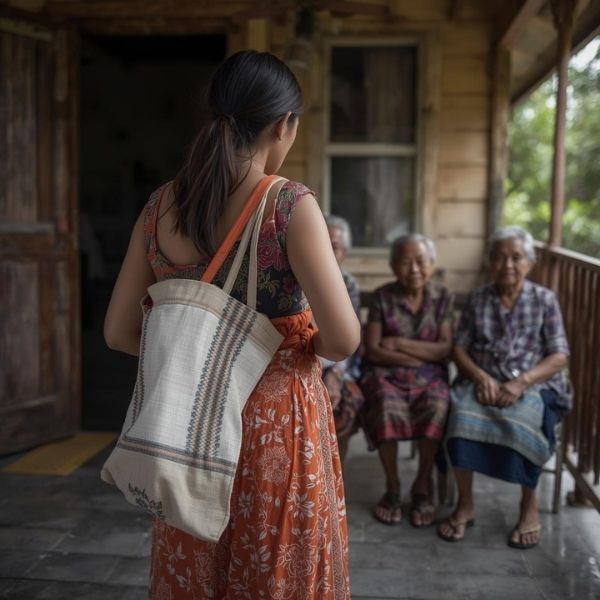
5. The "Lingering" Rule
Fast tourism is about efficiency. Slow tourism is about presence. Don't block the path to inspect a souvenir while locals are trying to buy their lunch. Find the "pauses" in the market—the coffee stand, the bench, the corner stall—to sit and observe.
A Story from the Road: The View from the Plastic Stool
My first morning at Central Market in Kuala Lumpur was a disaster. Eager to take it all in, I planted myself in the middle of the main aisle, camera in hand. I became a rock in a rushing river—porters with heavy sacks swerved around me, muttering under their breath. I wasn’t experiencing the market; I was obstructing it. Flustered, I retreated to a small kiosk tucked in a corner, one of those stalls offering fresh juices and simple meals. I slid onto a plastic stool, ordered a bottle of orange-pineapple juice, and stayed put. From that vantage point, the chaos softened into rhythm. The clamor of voices and footsteps became a kind of music, a choreography of daily life. I watched a vendor slip a piece of fish to a stray cat, quick and discreet. I noticed a schoolgirl braiding her mother’s hair between customers, her fingers moving with quiet devotion. By stepping out of the current and choosing to linger, I stopped being an obstacle. I became an audience member, witness to the beautiful, unscripted theater of the everyday. 
Join the Conversation! Have you ever found a hidden gem in a local market? Or maybe tasted a fruit you couldn't identify? Share your stories with us.
Read: The 2026 ASEAN Forecast: Why We’re Trading Capital Cities for Local Markets What Is Slow Travel and Why It Matters Today The Flavors That Call Me Home
Shop Tita M Wanders