Ann Siang Hill and Memories of Bobot: A Chinatown Journey through Singapore’s Heritage
By Marie. Updated July 23, 2025
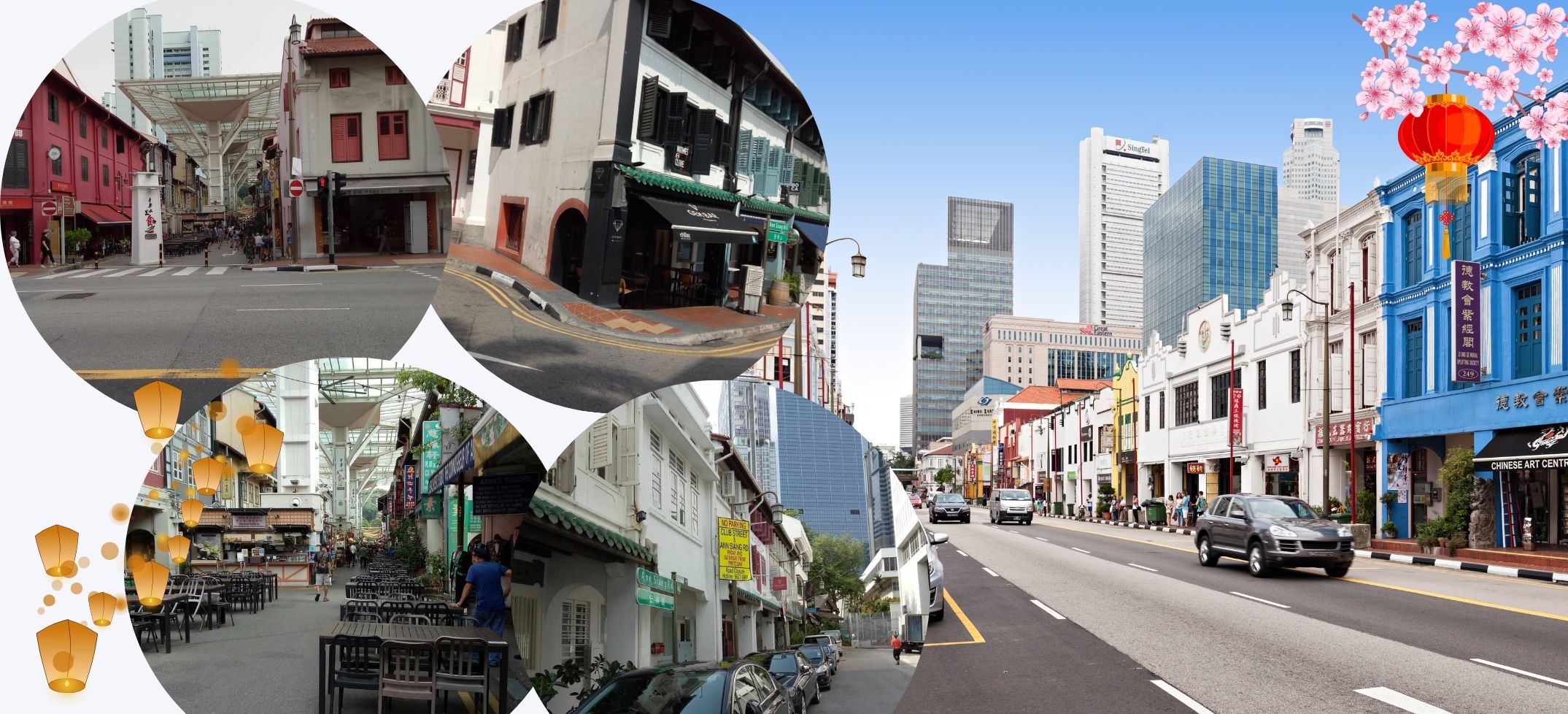
In my wanderings, I’m always drawn to Chinatowns. It’s become a gentle ritual—searching for that familiar pulse in unfamiliar cities. And among them, Singapore’s Chinatown holds a special place in my heart.
I’ve explored it many times over the years, each visit revealing new layers of cultural richness—from bustling hawker stalls to the preserved beauty of heritage shophouses. But it’s a quiet hillside tucked within this lively district that continues to call to me: Ann Siang Hill.
A Personal Thread Through History
My fascination with Ann Siang Hill is deeply personal. It’s entwined with memories of my cousin, Melchor—or “Bobot,” as we fondly called him. He was a seafarer. Before setting out on what would be his final voyage in the mid-1980s, he shared tales of the places he'd seen, and Ann Siang Hill stood out vividly.

So when I visited Singapore for the first time, I made it a point to find it. By then, the hill had transformed into a national heritage site—a quiet triumph of preservation and homage. I couldn’t help but imagine how Bobot would’ve smiled seeing it so carefully cared for.
Ann Siang Hill’s Evolving Legacy
Ann Siang Hill wasn’t always called that. Originally known as Scott’s Hill and later Gemmill’s Hill, it became what it is today thanks to businessman Chia Ann Siang, who acquired it in 1894. His influence ran deep—helping shape Singapore’s commercial landscape while creating a space that early Chinese immigrants came to trust.
Back then, this hill was more than picturesque. It was practical. Immigrants frequented it for remittance services, letter writing, and calligraphy. These restored shophouses weren’t just homes or shops—they were sanctuaries for communication, connection, and cultural continuity.
Today, they still whisper those stories. Walk along Ann Siang Road, and you’ll find echoes in every beam and brick.
Chinatown as a Cultural Compass
Whether it’s Binondo’s layers of Filipino-Chinese identity or Bangkok’s Yaowarat lighting up the night, each Chinatown I visit offers a portal into migration, resilience, and tradition. Singapore’s version, with its elegant interplay of old and new, feels like poetry you live through.
So channel your inner Rizal. Seek out these enclaves. Let memory guide you through their corridors and crevices. In Ann Siang Hill, history doesn’t just stand—it listens.