
Living Slowly, Living Fully
Not long ago, my niece and I met up for dinner in the middle of bustling Manila. We talked about her future, her dreams, and what it means to build a life. I haven’t heard from her after. I learned later she flew back home to Iloilo City, picked up her newly purchased car, and took it for a solitary morning drive along the quiet coastal roads.
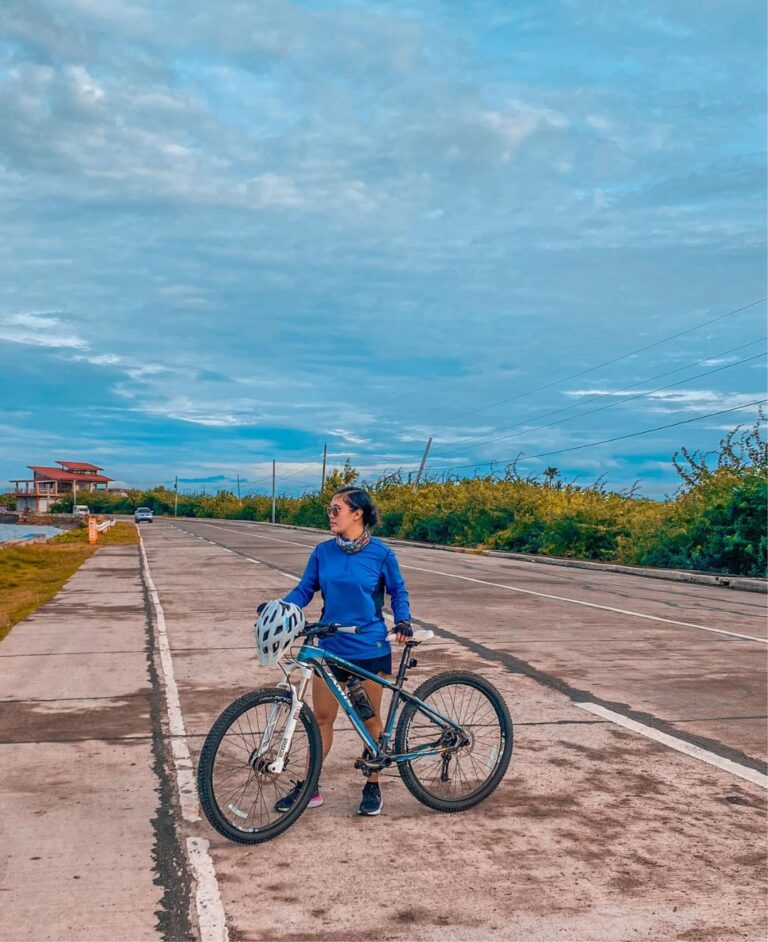
When I saw a photo from that solitary morning drive, I smiled. There she was, leaning against her car, completely relaxed under a vast, unhurried sky, enjoying the simple pleasure of an open road.
Our conversation over that particular dinner did not center around a single theme. I, however, remember our conversation had touched on how to live well without repeating the exhausting hardships that her mother and I went through.
When she and her siblings were still studying, my constant advice to them always raised a few eyebrows: “Enjoy learning,” I would tell them, “and never worry about topping the grades.”
To some of the older folks in our circle, that advice sounded almost heretical. In our culture, we have been deeply conditioned to equate constant rushing, high anxiety, and relentless competition with success. If you aren’t stressed, you aren’t working hard enough. In fact, many people from our generation still equate being “slow” with laziness.
But looking at her enjoying that quiet coastal drive, I thought otherwise. Slow living isn’t laziness. It is a vital, preventative health practice.
Breaking the Cycle of Hardship
Every generation wants to provide a smoother path for the next. We work ourselves to the bone, navigate corporate battlefields, and survive immense stress so that our children and nieces won’t have to face the same friction.
But if we pass down our fortunes without passing down the permission to slow down, we have only done half the job.
If the next generation inherits the fruits of our labor but retains our frantic, hyper-stressed mindsets, they will eventually succumb to the same health scares and early burnouts that we are witnessing all around us today. Teaching them to live slowly is how we ensure they actually survive to enjoy the peace we fought so hard to give them.
The Health Practice of the Unhurried Life
Choosing to live slowly means rejecting the trend of constant optimization. It is the understanding that your nervous system was not designed to run at a frantic corporate pace 24 hours a day. When we practice slowness, we change our relationship with time:
- From Competition to Connection: We stop treating life like a classroom where we must constantly “top the grades” or outperform our peers, and we start treating it like a landscape to be enjoyed.
- From Consumption to Appreciation: Instead of rushing to the next milestone, we pause to appreciate the milestone we just achieved—like the simple independence of buying a car and taking it for a drive just to watch the clouds.
- From Exhaustion to Lasting Vitality: We listen to our bodies before they crash. We treat rest not as a reward for being burnt out, but as a daily, non-negotiable rhythm.
The Permission to Just Be
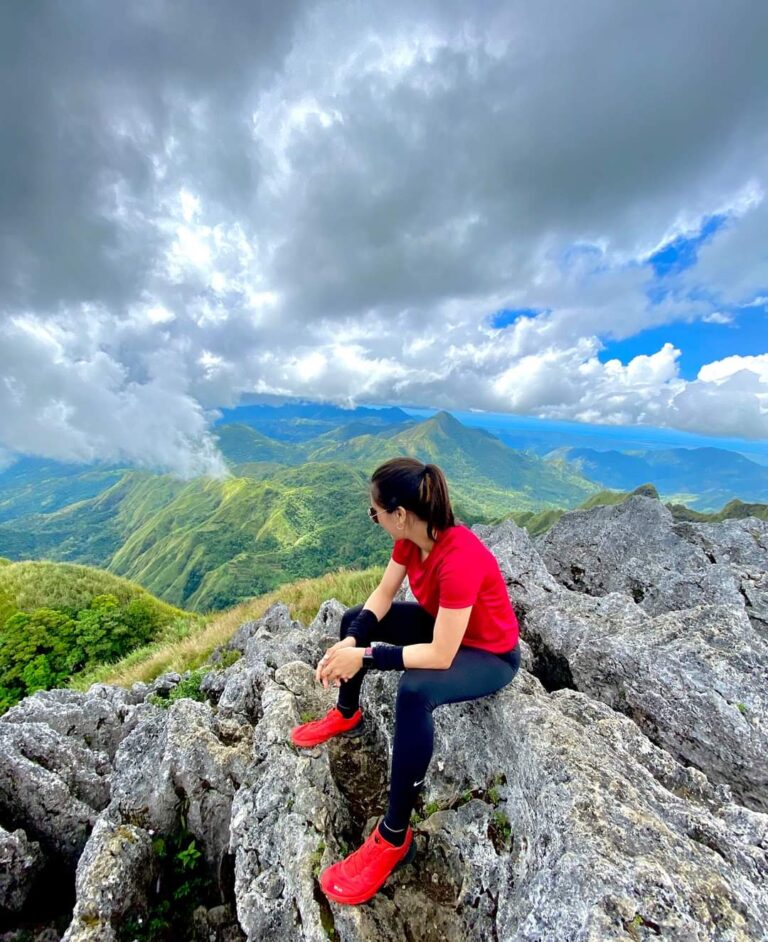
I look at my niece standing by the coast, and I feel a deep sense of accomplishment—not because she has ticked off a checklist of corporate achievements, but because she knows how to take a breath. She knows how to fly back to her own quiet corner of the world and just be.
To live slowly is to live fully. It is the realization that a life spent constantly rushing to the finish line is a life that is never actually lived.
So, take your foot off the accelerator. Let go of the need to constantly prove your speed to a noisy world. Turn down the quiet coastal road, roll down the windows, and let yourself wander through the day at the only pace that truly matters: your own.