Looking for Suzy Wong — Wandering Through Fiction in Wan Chai
By Marie. July 29, 2025
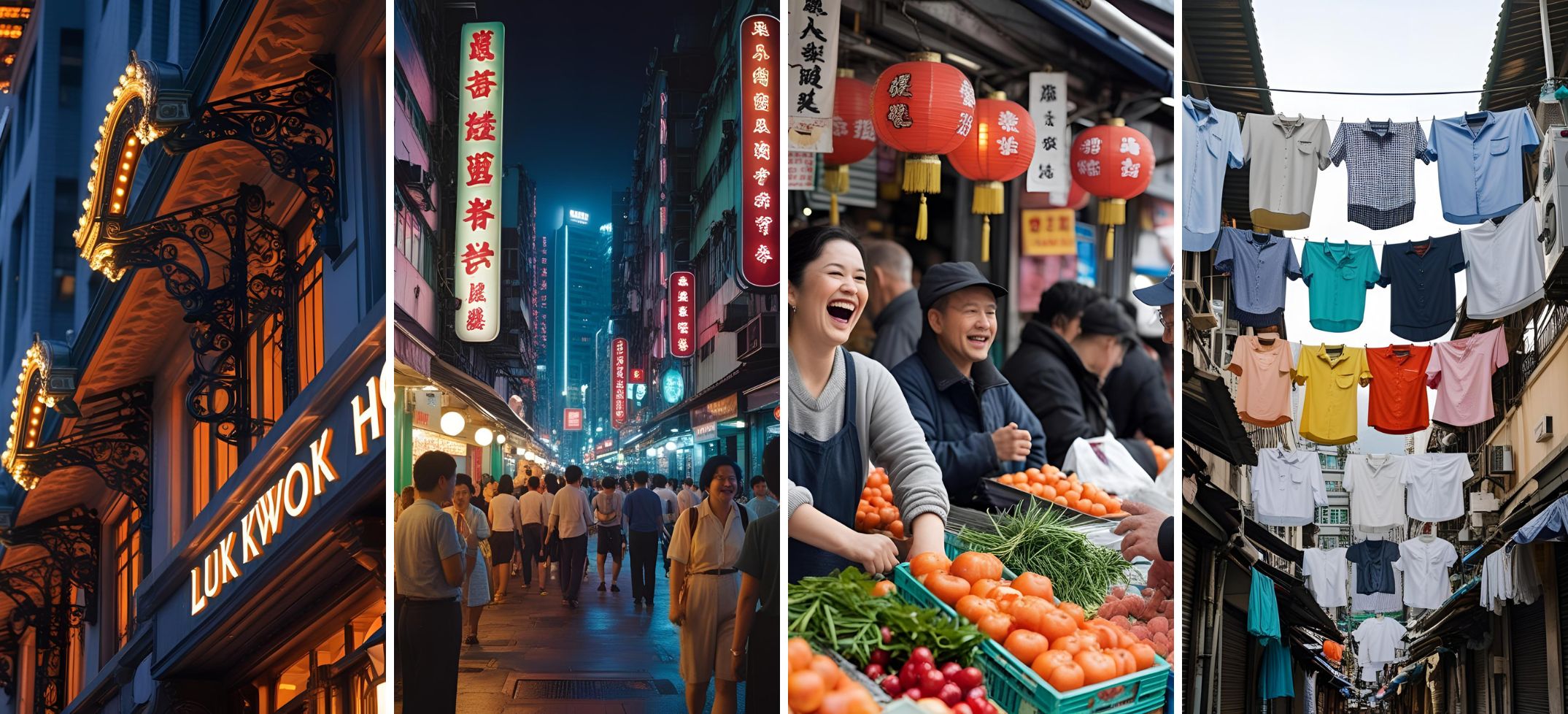
I’ve been to Hong Kong many times—mostly for business, with days marked by boardrooms, briefings, and bottled water in crisp hotel lobbies. But on one particular visit, after the last meeting had ended and my schedule loosened, I took a turn toward something different.
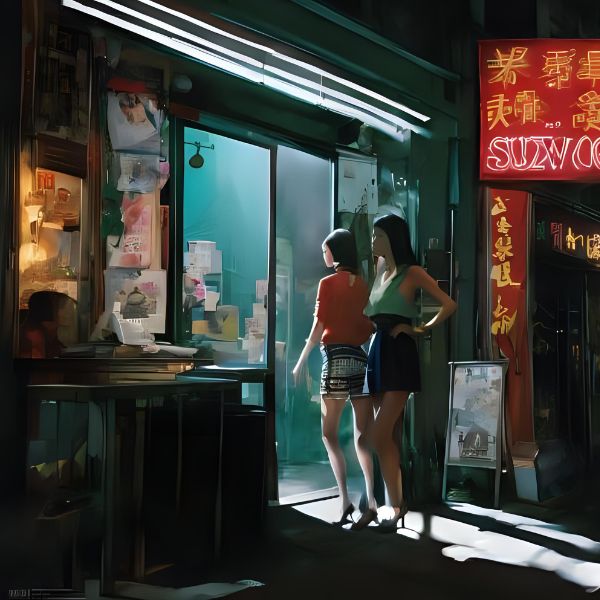
I decided to wander—not just through Hong Kong’s famous attractions, but into its back streets. I wanted to feel the tempo beneath the skyline, the pulse that fiction once captured. I was drawn, rather unexpectedly, to the memory of a film: The World of Suzy Wong.
Now, I don’t consider myself a film buff, but I do enjoy old and foreign movies, especially the kind that leave a mood behind. Suzy Wong’s story was set in post-war Hong Kong—a romance wrapped in social commentary, framed by neon signs and quiet longing. And while I knew the character was fictional, something about her world felt real enough to search for.
My fascination had started days earlier while browsing for things to do in my free time. An old Time magazine article from 1960 caught my eye—a review of the film that spoke more of the city than the storyline. I marveled at the fact that Time’s archives were so accessible online. Their diligence in preserving stories from decades past felt oddly aligned with my own desire to hold onto moments that slip too easily away.
The story was set in Wan Chai. The hotel featured—Nam Kok Hotel—was based on the old Luk Kwok Hotel on Gloucester Road. I read that the building had been redeveloped in the 1980s, though it retained a hint of the gracious style once considered traditional Hong Kong. Somewhere between fact and fiction, the city held Suzy’s presence like a whisper — elusive, yet persistent.
I walked past the Star Ferry terminal, traced paths through Central and Aberdeen, paused at temples, lingered in markets. Even in the absence of exact cinematic frames, Hong Kong stirred something familiar. The rhythm of its merchants, the hush in old alleys, the scent of roast duck mingling with incense — it felt like Suzy’s story had scattered into the city’s bones.
Modern Hong Kong no longer wears the mood of Suzy Wong’s world. The skyline is bolder, the pace quicker, the edges sharper. Yet the essence — the quiet undercurrent of memory and identity — still pulses beneath it all. You feel it in the corridors of Wan Chai, in the language of ferry rides, in the markets where locals trade stories alongside spices.
I didn’t find Suzy Wong’s apartment. I didn’t need to.
Because sometimes, the search itself becomes the story..
Images: Canva
🎬 Cinematic Nostalgia
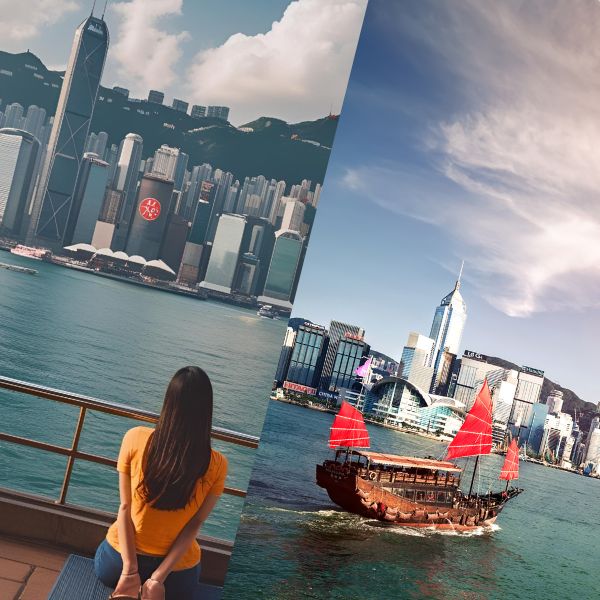
This Suzy Wong-inspired piece sounds like a blend of cinematic nostalgia and cultural exploration. And, what do you know? My search returned interesting information: movie-induced tourism, or “set-jetting,” has become a powerful force in shaping travel trends.
Some compelling statistics and examples that show how films have influenced tourism:
🌍 The Global Impact of Film Tourism
- 80 million international tourists chose their destination based on films or TV series in 2017, according to TCI Research2.
- This number doubled in five years, showing how rapidly the trend is growing.
- Film tourists tend to be more active, engaging in 19% more cultural and natural activities, and are 10% more sensitive to destination advertising.
💡 Why These Films Inspire Travel
- Visual storytelling: Films showcase landscapes, architecture, and culture in emotionally resonant ways.
- Character association: Viewers want to walk in the footsteps of beloved characters.
- Social media buzz: Locations gain traction through fan sharing and influencer content.
- Nostalgia & escapism: Especially post-pandemic, people crave immersive, cinematic experiences.
I think Hong Kong taps into this beautifully.
How Stories Spark Wanderlust?
It’s funny how movies can quietly nudge people onto airplanes. After Braveheart, so many tourists flocked to the Wallace Monument in Scotland that visits tripled. The Beach turned Maya Bay into a must-see spot for backpackers, and Crazy Rich Asians sent Singapore’s travel searches into overdrive—especially among U.S. audiences. Over in Europe, Game of Thrones gave Dubrovnik a kind of fantasy glow, and Harry Potter made certain UK landmarks feel like magical portals. New Zealand? It practically rebranded itself as Middle-earth, welcoming legions of Tolkien fans. Storytelling doesn’t just entertain—it steers people toward places, emotions, and memories they hadn’t planned on exploring.
Data, stats, and relevant information for this side note were generated with assistance of Microsoft's CoPilot.