
The Return Of Slow, Human Travel
There was a time when travel meant surrendering to the unknown.
You didn’t have a perfect itinerary.
You didn’t know the “Top 10 Things To Do.”
You didn’t have a list of cafés curated by an algorithm.
You simply went — and the world revealed itself one moment at a time.
But somewhere along the way, travel became optimized.
AI made it efficient, predictable, and beautifully organized.
Helpful, yes.
But also… a little hollow.
Because the more AI perfected travel, the more we realized something was missing.
And now, quietly, gently, almost without announcement, slow, human travel is returning.
1. We’re tired of rushing through places we don’t actually feel
AI can plan a 7‑day itinerary that covers five cities, twelve attractions, and twenty restaurants.
But travelers are starting to ask:
“Did I actually experience anything?”
Slow travel invites us to:
- stay longer
- walk more
- talk to locals
- sit in silence
- notice small details
- let the day unfold without pressure
It’s not about seeing more.
It’s about feeling more.
2. We’re rediscovering the joy of wandering
AI is wonderful at giving directions.
But wandering — real wandering — is directionless by design.
It’s:
- following a side street because the light looks interesting
- stopping at a sari‑sari store because the halo‑halo looks promising
- sitting by a river because your feet are tired
- talking to a stranger because they smiled first
These moments don’t appear in any itinerary.
They appear when you let go.
3. Human encounters are becoming the highlight of travel again
AI can translate languages, but it cannot replace:
- a grandmother offering you suman
- a fisherman explaining the tide
- a child pointing you to a hidden path
- a tricycle driver telling you the town’s history
- a local guide sharing stories that don’t exist online
These are the moments that stay with you long after the trip ends.
4. Small towns and quiet places are calling us back
In the age of AI, the world’s most famous destinations became even more crowded.
But the places untouched by algorithms — the ones without hashtags, without influencers, without curated lists — suddenly feel like treasures.
Slow travel thrives in:
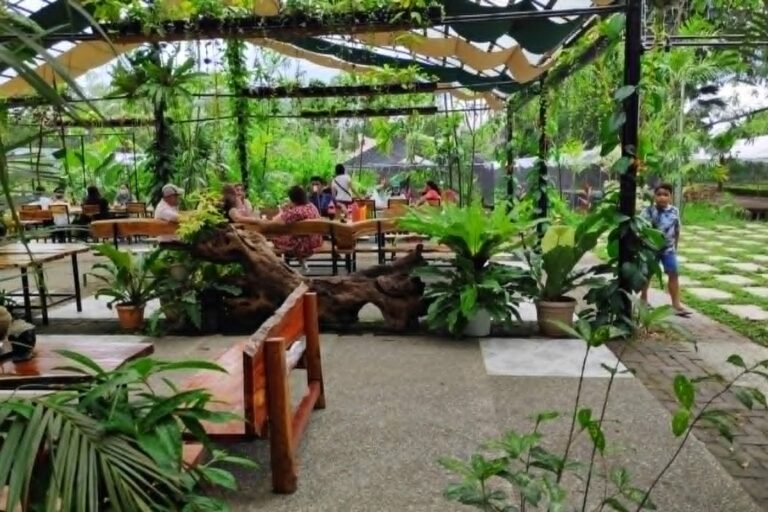
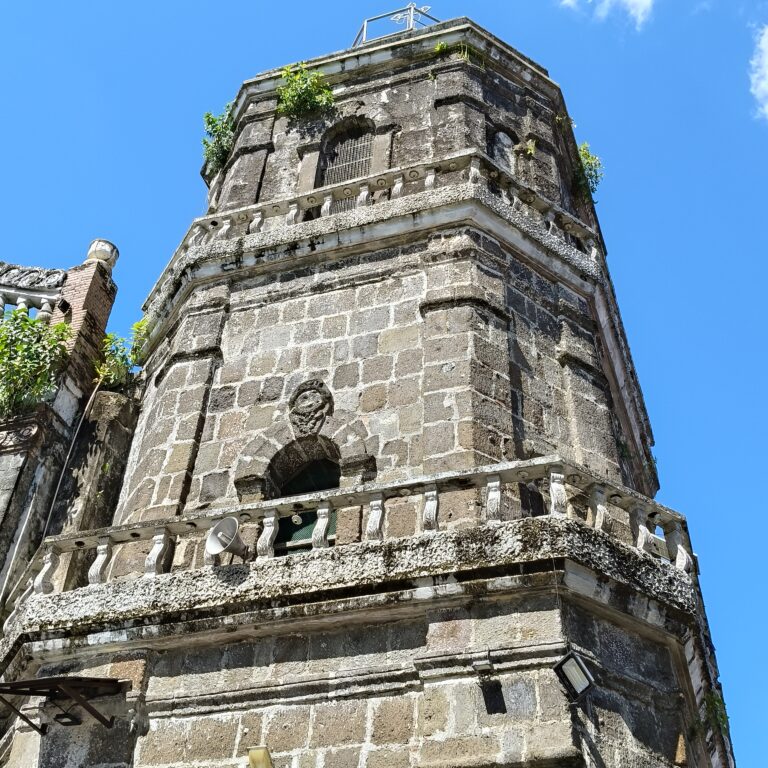
- ancestral homes
- riverside barangays
- mountain towns
- local markets
- unpolished beaches
- communities that welcome you like a neighbor
These places don’t need to be “discovered.”
They just need to be felt.
5. The future of travel is deeply human
AI will continue to help us travel smarter.
But the heart of travel — the part that changes us — will always be human.
Slow travel reminds us that:
- presence matters
- connection matters
- stories matter
- people matter
- the journey matters
And maybe this is why slow travel is returning.
Not because the world is slowing down, but because we are choosing to.
We’re choosing depth over speed.
Meaning over metrics.
Moments over checklists.
We’re choosing to wander again — gently, intentionally, and fully alive.