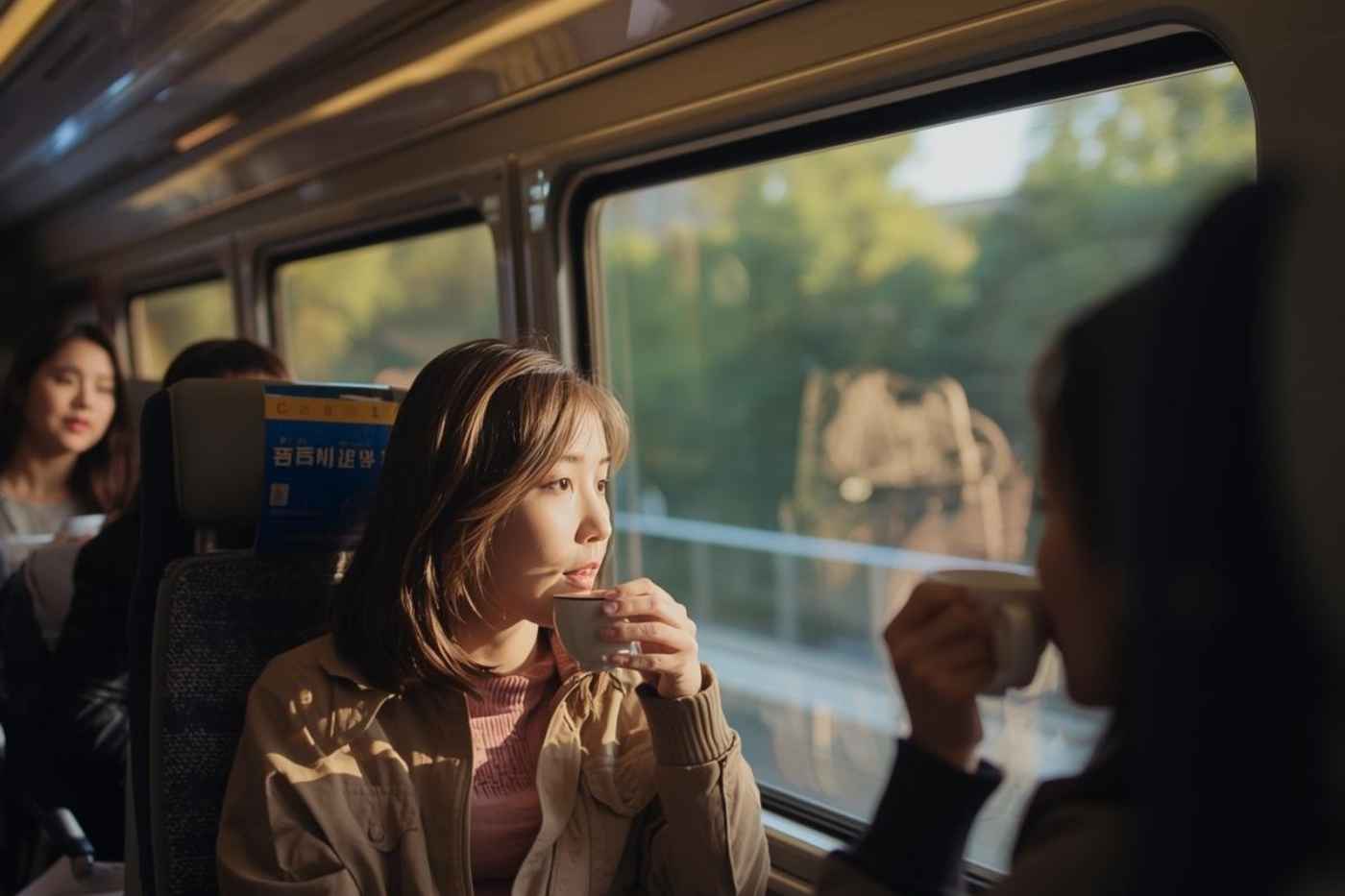
Why Travel Is Quietly Returning To Its Roots
I can’t seem to get my mind away from this thought. I already wrote about it. However, I feel I need to let these observations out. It’s like, “here’s another side of the coin” so to speak. So, here goes….
AI disruption, digital overcrowding, brick‑and‑mortar revival. What does this mean for travel?
There was a time when travel meant boarding a bus, following the curve of a mountain road, and letting the wind slap your face awake. It meant getting lost, asking strangers for directions, and discovering a place not because an algorithm recommended it, but because your feet led you there.
Then the digital world exploded.
Suddenly, travel became:
- curated
- optimized
- algorithm‑approved
- Instagram‑ready
- and, eventually, AI‑generated
Millions of people were posting the same photos in the same spots with the same captions.
Travel became a checklist, not a discovery.
But lately, something interesting is happening.
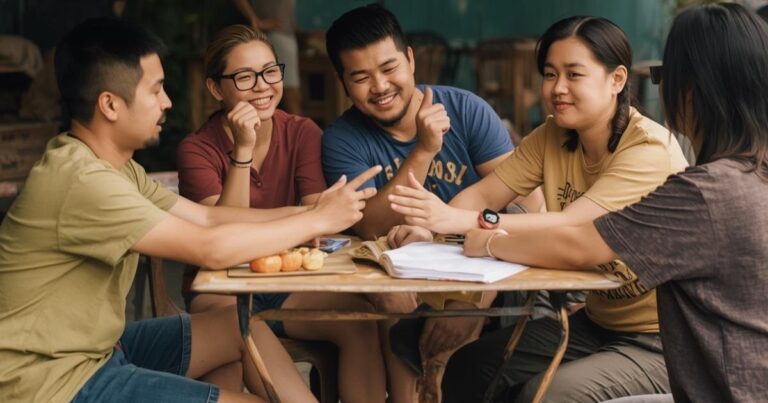
People are quietly returning to real travel — the kind that smells like river water, tastes like carinderia food, and sounds like a tricycle driver telling you a story you didn’t ask for but are grateful to hear.
And honestly?
I’m not surprised.
1. Digital travel got crowded — and sameness is exhausting
AI made it easy to:
- plan itineraries
- find “hidden gems”
- generate travel guides
- create perfect photos
- copy the same travel content
And so… everyone did.
The result?
Everywhere started looking the same online.
Every destination became a template.
Every traveler became a content creator.
People got tired.
They didn’t want a “Top 10 Things To Do” list anymore.
They wanted a story.
2. Travelers are craving authenticity again
Not the curated kind.
Not the “authenticity” that’s been packaged for tourists.
But the real thing:
- a grandmother selling suman by the roadside
- a fisherman telling you the tide schedule
- a child pointing you to a waterfall that isn’t on Google Maps
- a heritage house with creaking floors and capiz windows
- a place where no one cares about your itinerary
This is the kind of travel AI cannot replicate.
3. The rise of “place‑based travel”
People are rediscovering:
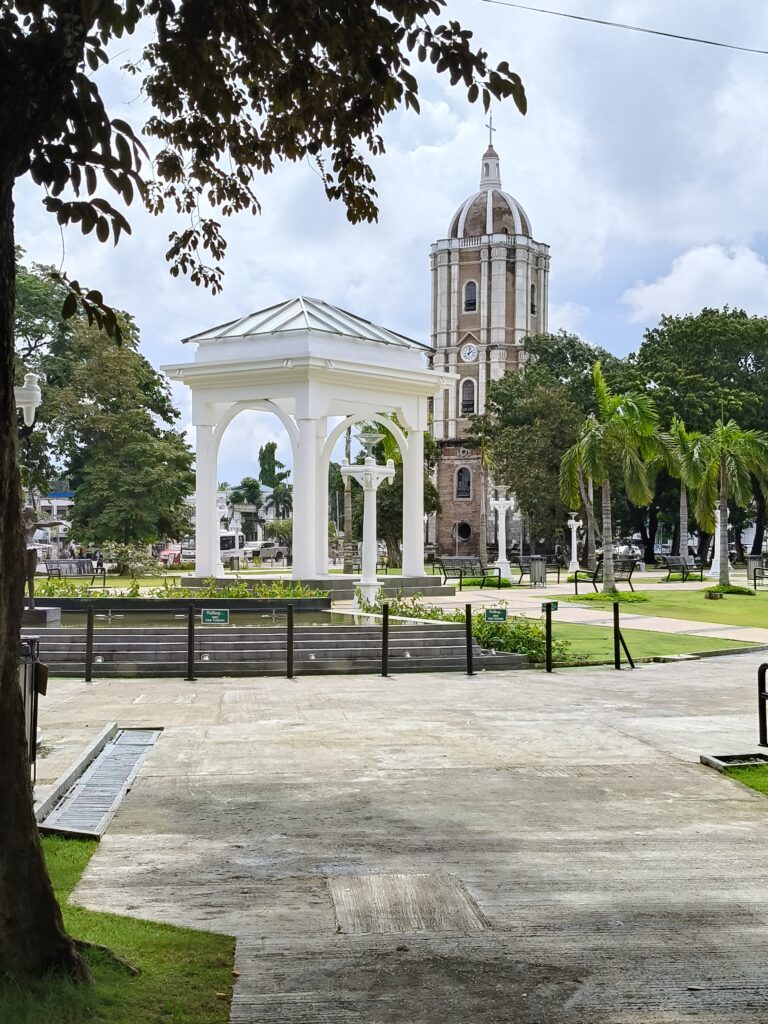
- small towns
- ancestral homes
- local food
- community festivals
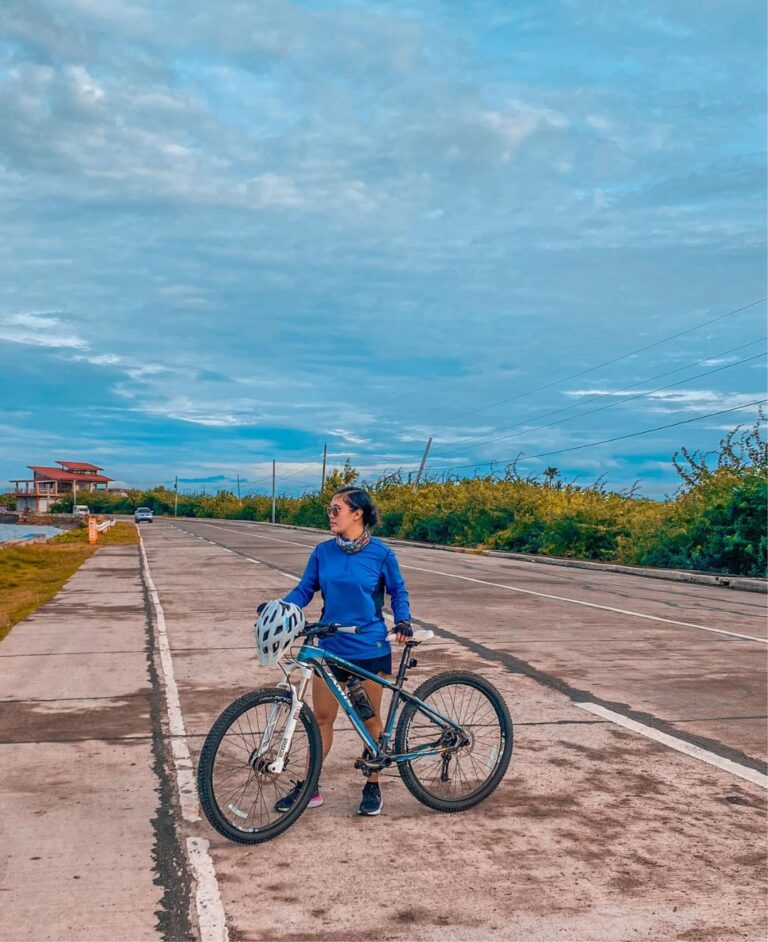
- slow journeys
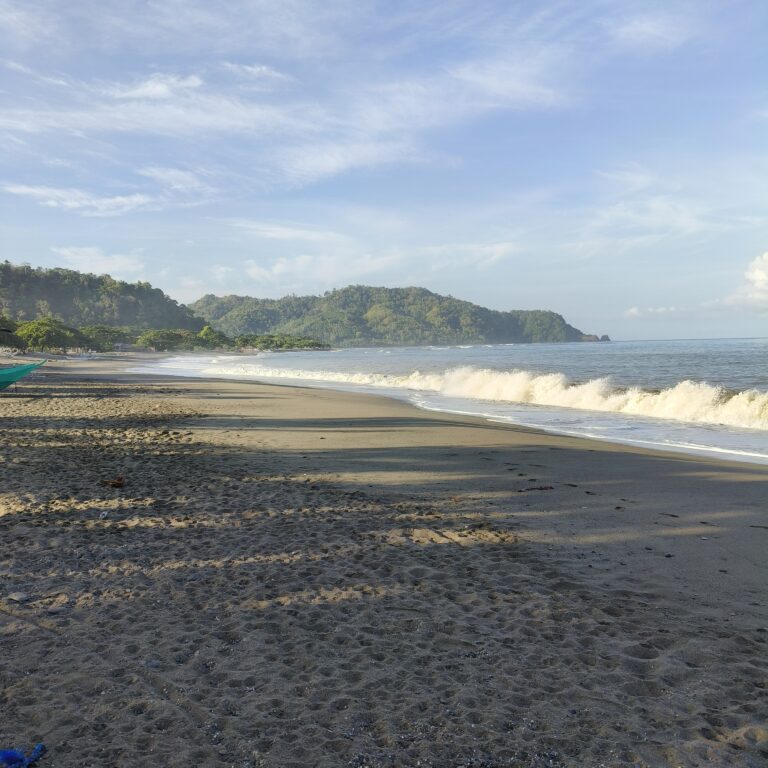
- nature that doesn’t need a filter
Travel is becoming less about “going far” and more about “going deep.”
It’s the same shift we’re seeing in business:
from digital overload to physical presence.
4. My mother’s carinderia taught me this long before AI existed
In the 1990s, my sister, my mother Virginia, and I opened a tiny carinderia in Pasay City built on my mother’s wisdom:
Be known for one unforgettable dish.
Make it with heart.
Let people come because they trust you.
Travel works the same way.
People return to places that feel honest.
Places that don’t try too hard.
Places that welcome you like a familiar kitchen.
5. The future of travel is not high‑tech — it’s high‑touch
AI can help you:
- book a flight
- find a route
- translate a menu
But it cannot:
- replicate the smell of rain in a mountain town
- replace the warmth of a local guide
- recreate the feeling of stepping into a place that changes you
- tell you which sari‑sari store has the best halo‑halo
- teach you the rhythm of a community
Travel is returning to its roots because people are returning to themselves.
6. Maybe this is why I still wander
Not to collect stamps or photos,
but to collect moments.
The quiet ones.
The unexpected ones.
The ones that remind me that the world is still bigger than any screen.
And maybe — just maybe — this is the kind of travel we need now:
slow, local, human, and deeply alive.