🎨 The Silent Characters of Zhuhai: A Journey Between Three Chinas
By Marie. Saturday, February 7, 2026
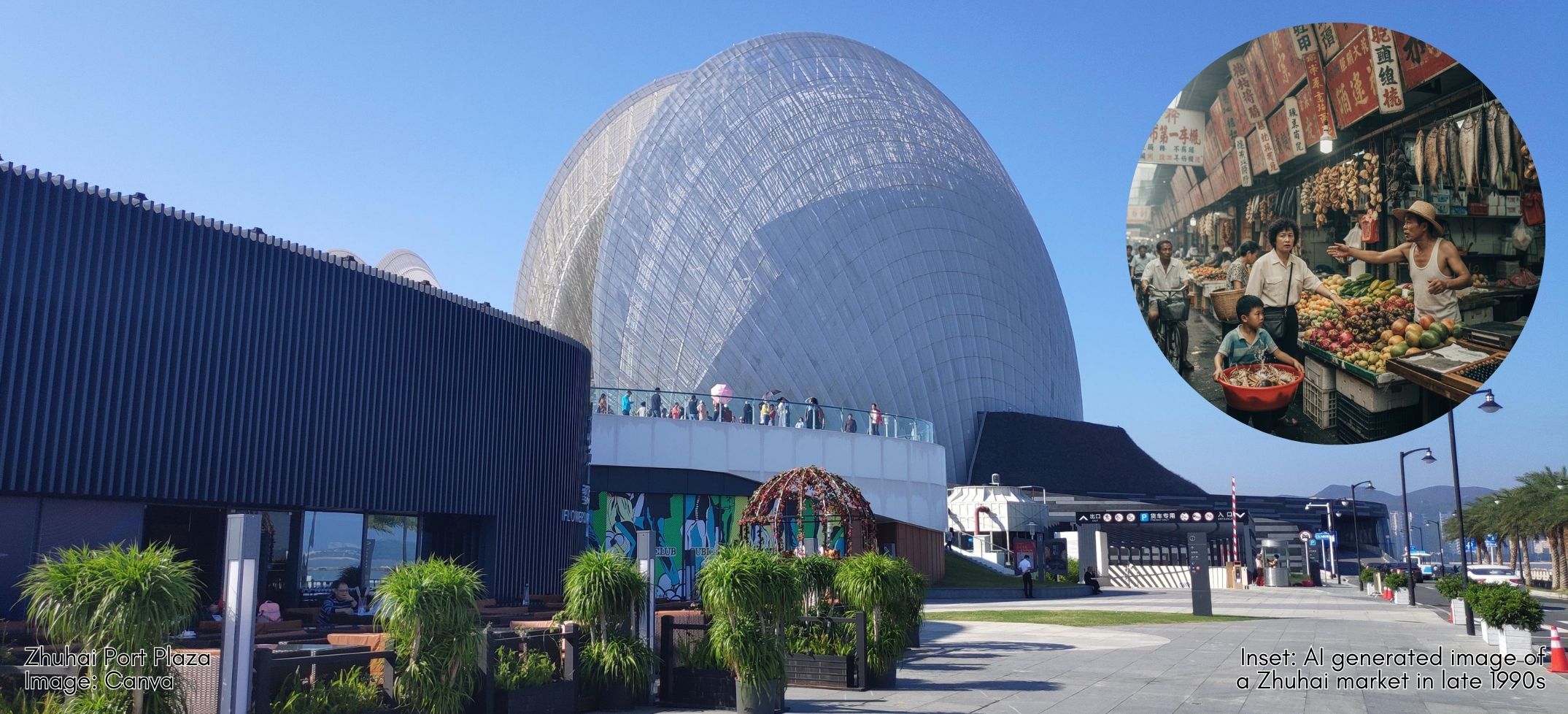
It started with a flicker on my screen—one of those social media reels that seems to come from a different century. It showed a version of China that felt like a science fiction movie: shimmering glass towers, silent electric buses, and cities that pulse with a synchronized, digital heartbeat. They call it the '2050 reality.' But as I sat in the morning stillness in an almost 200 years old ancestral home here in Sta. Cruz, the algorithm's version of the future did something unexpected. It didn't make me look forward; it made me look back. It pulled me out of the 'now' and dropped me straight into a humidity-drenched street corner in Zhuhai in the late 1990s—a time when the 'future' was still just a collection of bicycle bells and hand-painted signs I couldn't yet read.
The Sea of Red and Gold
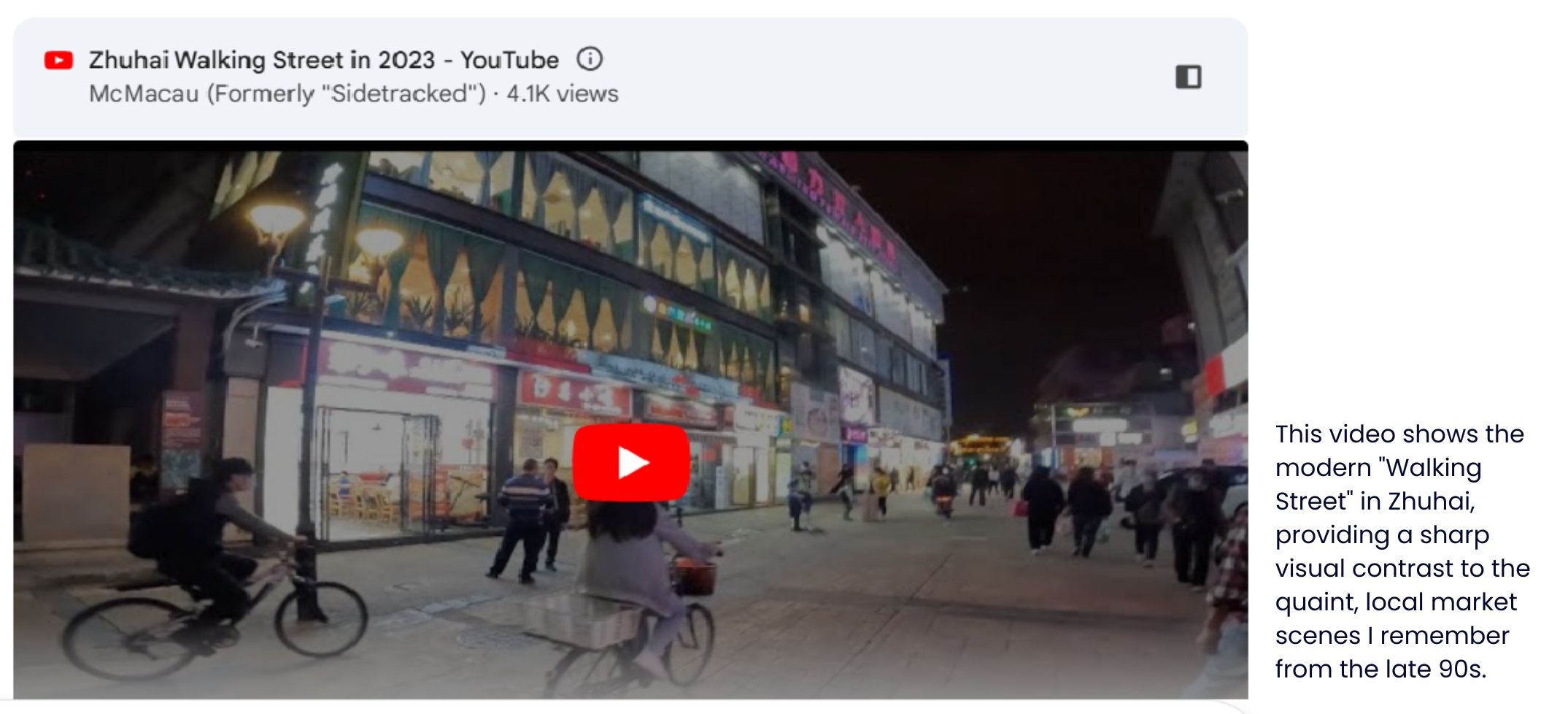
(Click image to watch the video).
I remember standing on a street corner in Zhuhai in the late 1990s, paralyzed by a sea of red and gold. Every sign, every banner, every chalkboard menu was a flurry of Chinese characters—the very same script my father’s ancestors used to write their own stories. My eyes desperately tried to translate what my heart felt it should already know, but my mind couldn't grasp a single stroke.
In that quaint, bustling market, I was surrounded by my own heritage, yet I had never felt more like a stranger. There were no digital maps to nudge me left or right, no AI to whisper translations in my ear—just the pungent scent of dried seafood and the high-pitched, rhythmic chorus of a city that didn't yet care if the rest of the world understood it.
The Symphony of the Stall
The market in Zhuhai wasn't the sanitized, air-conditioned experience of today’s "Smart Cities." It was a labyrinth of sensory intent. I remember the metallic rhythm of abacuses—that sharp clack-clack of wooden beads being flicked by vendors with terrifying speed, a manual calculator that outpaced my own mental math.
The air was thick with the scent of the sea, but not the fresh spray of the coast; it was the concentrated, earthy aroma of dried scallops and salted fish hanging like ancient parchment from hooks. Vendors didn’t just sell; they performed. I recall a woman with weathered hands expertly de-shelling shrimp while holding a conversation with a neighbor three stalls down, her voice cutting through the humid air in a dialect that felt both alien and strangely melodic.
There was no "order" to the noise. It was a cacophony of bicycle bells, the splashing of live fish in plastic tubs, and the insistent haggling that sounded more like a heated argument than a business transaction. In that chaos, my lack of language felt like a physical weight. I wanted to ask about where the street was leading to, but I was trapped in a silent pantomime, pointing and nodding.
The Parian Connection
My fascination with those signs wasn't just curiosity; it was a search for a missing link. My great-great-great grandfather had made a similar journey in reverse, leaving Fujian for the Philippines when the islands were still under the Spanish crown. He settled in the Parian of Molo—the Chinese heart of Iloilo—and married a local Ilongga.
Following the Spanish decree, he traded his original name for a Spanish one, a linguistic bridge that allowed him to thrive but tucked his origins away in the folds of family history. I realized then, standing lost in Zhuhai, that I was the result of a total identity shift—a woman with a Spanish name, an Ilonggo heart, and a Chinese soul that was still trying to find its way home through a market stall.
TRACING LEGACY IN THE OLD PARIAN OF MOLO
This post was published in Tita M Wanders's page in Facebook, June 30, 2025.
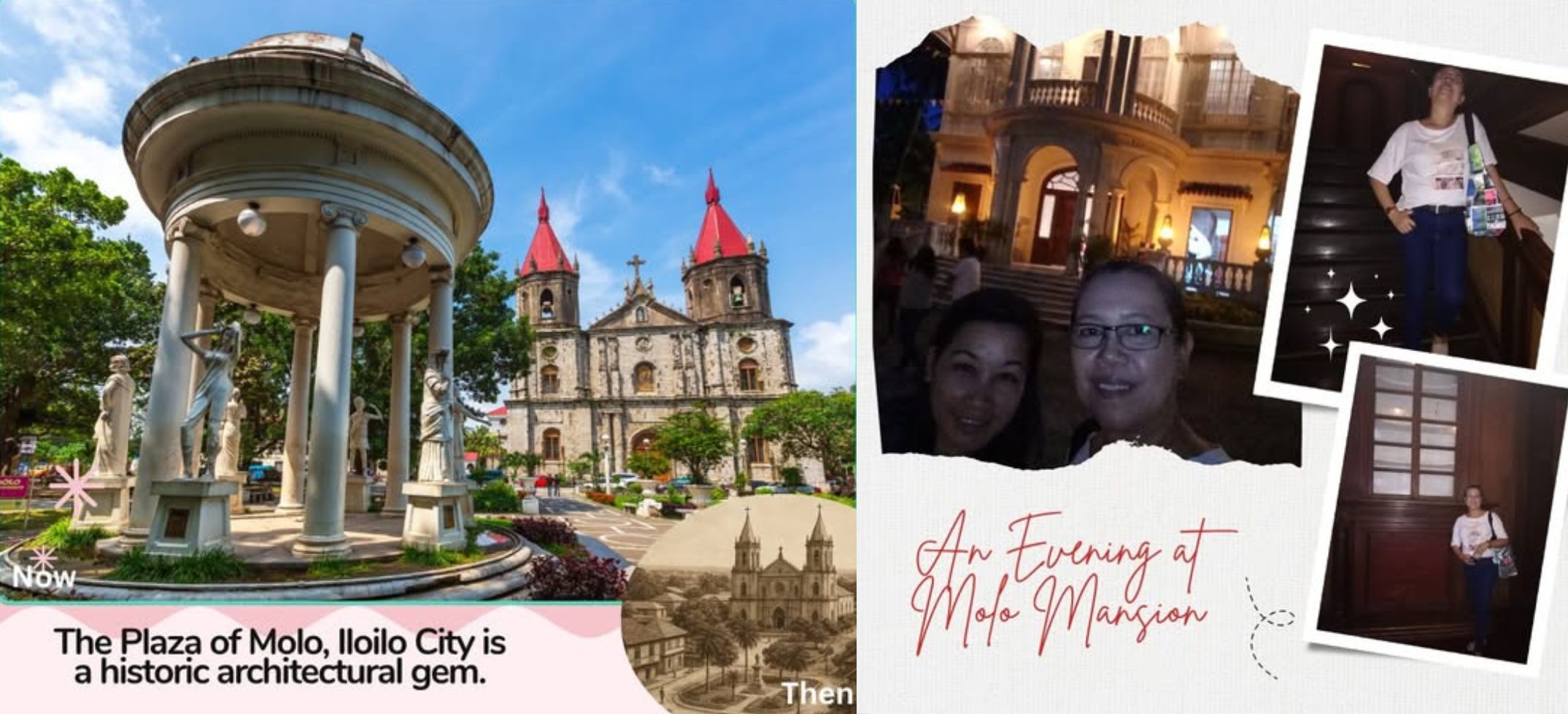
In 2018, a friend gifted me with a 28-day trip to Singapore, Thailand, Malaysia and Vietnam. I just turned 60! A few days before flying to Singapore, another friend, Joann Abrasusa, took me to the 100-year-old ancestral house of the Yusay's, now styled as Molo Mansion. Henry Sy, Sr. of the SM fame purchased the property and restored it, retaining much of its old Iloilo architectural charm.
I hadn't thought much about Molo (since Joann invited me there) until learning that my niece, Marian, recently moved back from Cebu to Iloilo City and settled there (in Molo) with her family for good.
Long before Molo became a district of Iloilo City, it was a thriving parian—a Chinese enclave where traders from Fujian, like my great-great-great-grandfather, found both opportunity and home. In the 1800s, Molo was a bustling hub of commerce and culture, its port in South Baluarte welcoming Chinese junks that brought silk, porcelain, and stories from across the sea.
But Molo was more than a trading post. It earned the title “Athens of the Philippines” for producing an astonishing number of intellectuals and leaders: four Supreme Court justices, nine senators, and pioneering educators like Pura Villanueva Kalaw, the first Miss Philippines and a fierce advocate for women’s suffrage. The town boasted four colleges during the Spanish era, making it a beacon of learning in the Visayas.
My Ilongga great-great-great-grandmother, born and raised in Molo, married into this legacy of migration and resilience. Their union, like many in this historic town, was a quiet revolution—blending cultures, shaping futures.
Today, as I walk through Molo Plaza or sip broth from a steaming bowl of Pancit Molo, I feel the pulse of generations past. This isn’t just heritage—it’s home.
What about you? Which place has shaped your childhood and is home to you?
The Leap to 2050
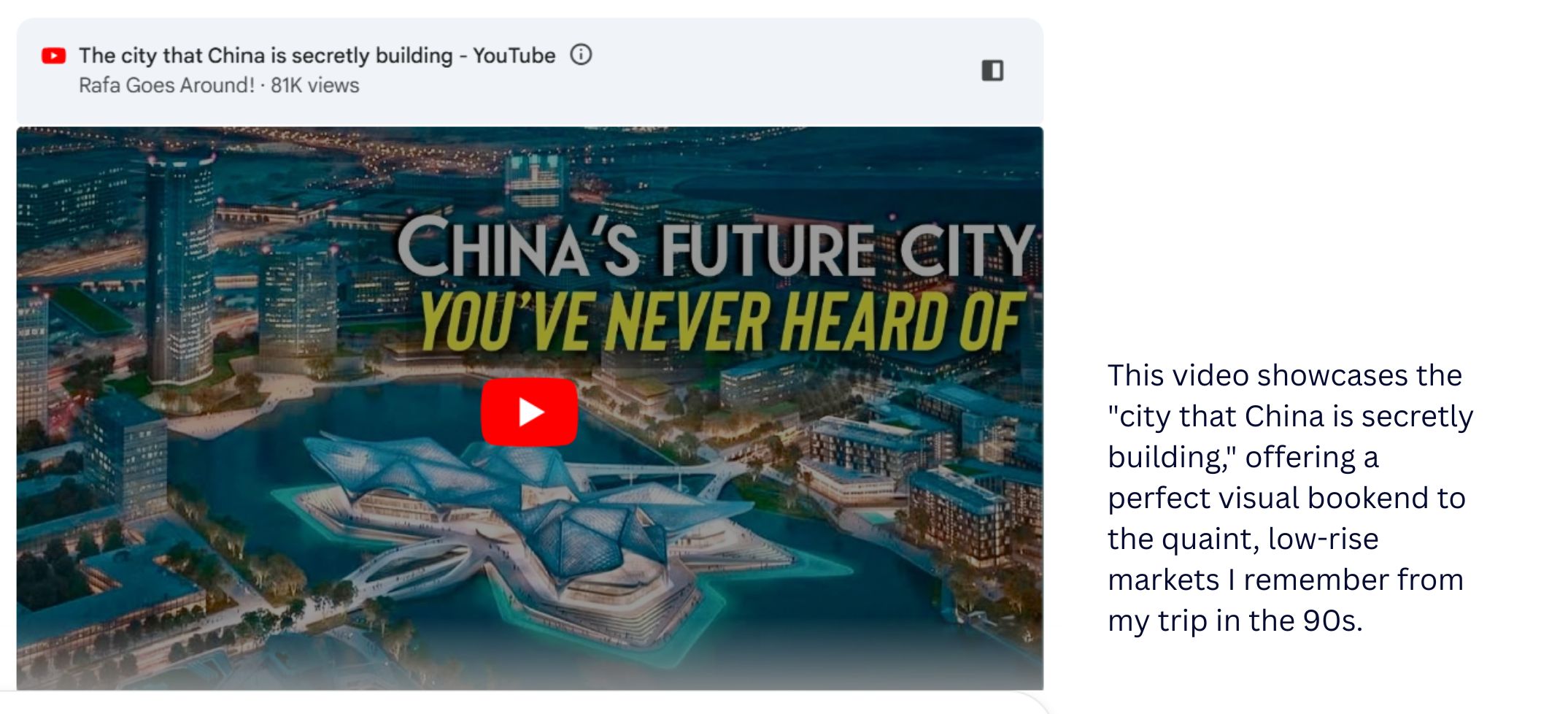
(Click image to watch the video).
Fast forward to today, and the Zhuhai I remember feels like a dream from a different century. The news now brings us images of a China that seems to have skipped 2026 and landed straight in 2050. Where there were once low-slung markets and bicycle bells, there is now the architectural audacity of the Opera House—two giant shimmering shells on the coast—and a skyline that pulses with synchronized LED shows.
The "lost" traveler of the 90s has been replaced by the "connected" citizen of the future, where facial recognition pays for tea and high-speed maglev trains whisper across the landscape. We have gained a world where every sign is instantly translated by a lens, but I wonder: in finding our way so easily, have we lost the magic of the "quaint" struggle?
The Houses We Inhabit
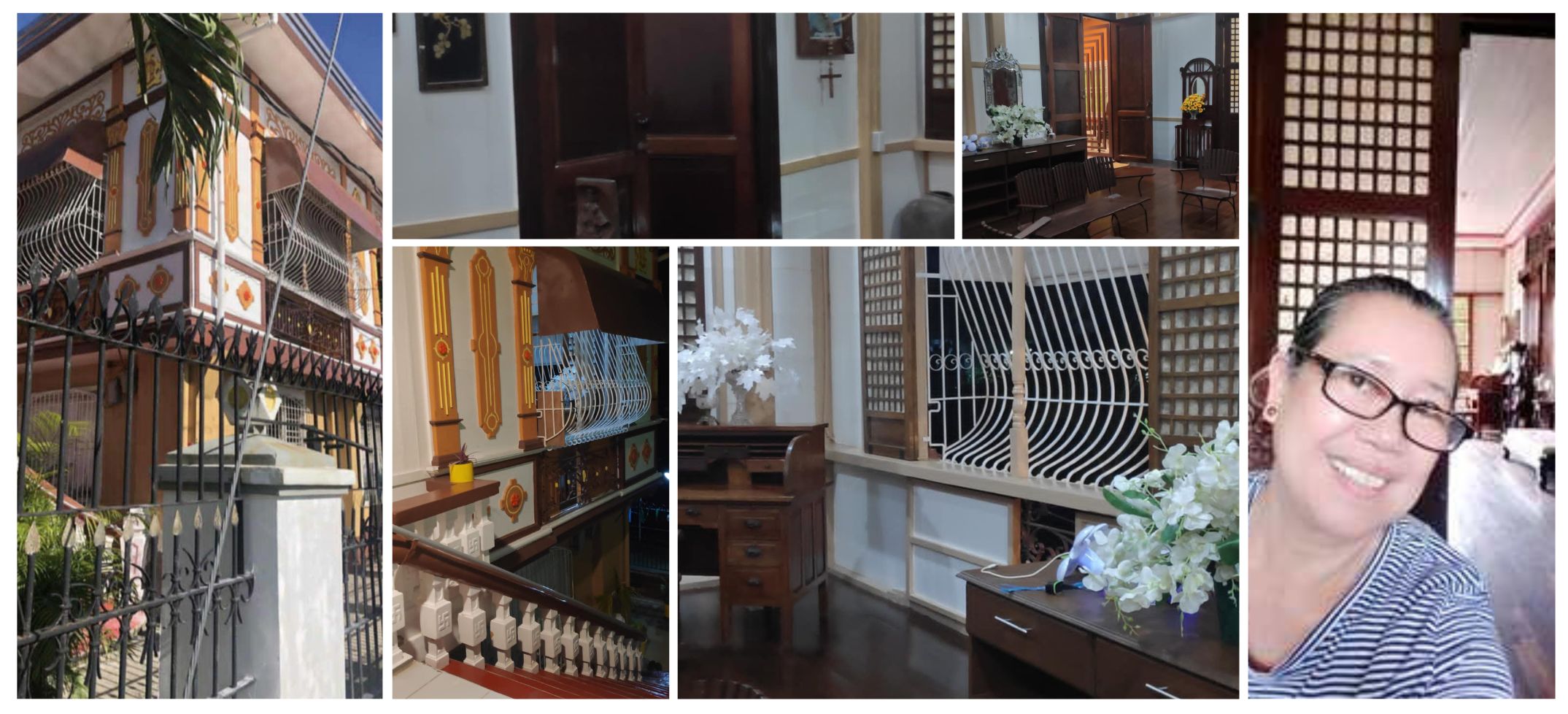
As I watch videos of this new China—a city of glass, light, and AI—I find myself sitting in my almost-200-year-old ancestral home in Sta. Cruz, Laguna. Here, time moves differently. The creak of the wooden floors reminds me that while cities may race toward the future at the speed of a maglev train, we carry our histories in the quietest ways.
Whether it is in the curve of a Capiz window, the memory of a shoe market in Liliw, or the silent characters of a language that still whispers to me from the past, we are never truly lost. We are simply wandering through the many layers of who we have been, and who we are yet to become.
Read: Why Women Collect More Shoes Than They Could Ever Wear Why I Write from Memory Shenzhen, in a Blink MARKETS AS MUSEUMS: A VIGNET IN TWO CITIES My Life in a 200-Year Old Heritage Home
Turn your passion for food, travel, and culture into profit
This viral blog post "The Taste of Memory: Culinary Journeys That Stay With You" inspired The Taste of Profit -- the ultimate guide to building high-value, niche businesses inspired by authentic culinary experiences. Designed for aspiring entrepreneurs, food bloggers, travel insiders, and digital nomads, this e-book reveals how to transform stories, flavors, and traditions into thriving ventures that command premium pricing.
The e-book delivers practical steps, low-cost testing ideas, and proven strategies to help you launch exclusive and scalable culinary enterprises.
If you crave authenticity and dream of creating a business that celebrates your roots while fueling your independence, this is your blueprint. Your most rewarding—and profitable—journey starts here.
Buy on